POWOXI 7.5W Solar Battery Trickle Charger: Complete Buyer’s Guide
Battery dying while your car, boat, or RV sits in storage? Here's everything you need to know about the POWOXI 7.5W Solar Battery Maintainer before you buy.

Reviewed by
Seb and Michelle
We've tested over 6,500 products in the last 5 years – collaborating with over 4,000 brands and bringing our style of reviews to multiple platforms. More about me →
This post contains affiliate links. I may earn a commission at no extra cost to you.
Product Snapshot
The POWOXI 7.5W Solar Battery Trickle Charger is a budget-friendly maintenance tool built for one specific job: keeping a 12V battery from slowly dying while a vehicle sits unused. It does that job well under the right conditions. But there are real limitations buyers should understand before ordering — including what it can’t do for a battery that’s already dead.
Good fit if you:
- Store a car, boat, RV, or motorcycle seasonally without AC outlet access
- Want a set-it-and-forget-it way to offset slow parasitic battery drain
- Need a lightweight, portable panel that works from a windshield or dashboard
- Are shopping for a budget-tier maintainer and don’t need MPPT technology
Not the right fit if you:
- Need to revive a deeply discharged or dead battery from scratch
- Have a vehicle with heavy parasitic draw that needs 10W+ to stay ahead
- Want confirmed compatibility with lithium or LiFePO₄ batteries (conflicting info from POWOXI on this)
Your Car Battery Is Dying Right Now — And You Don’t Know It
Here’s something most car owners don’t know: when a vehicle is parked and turned off, more than 30 body control modules are still drawing power. Anti-theft systems, warning lights, remote sensors — they’re all quietly pulling from the battery around the clock. A healthy 12V battery only loses around 1–3% of its charge per month while idle under normal conditions. But add up those parasitic loads over weeks or months, and you’re looking at a dead battery waiting to happen.
That’s the exact problem the POWOXI 7.5W Solar Battery Trickle Charger is built around. For seasonal vehicles — motorcycles parked through winter, boats covered in a marina lot, RVs sitting in storage, snowmobiles in a shed — the problem gets worse fast. And for those situations specifically, a solar maintainer that requires no AC outlet is a clean, practical solution.
This guide covers what the POWOXI 7.5W is, what it does well, where it comes up short, and how it stacks up against the competition. No inflated claims. Just the information you need to decide if it’s the right pick for your setup.
What the 7.5W Panel Includes and What Each Feature Does For You
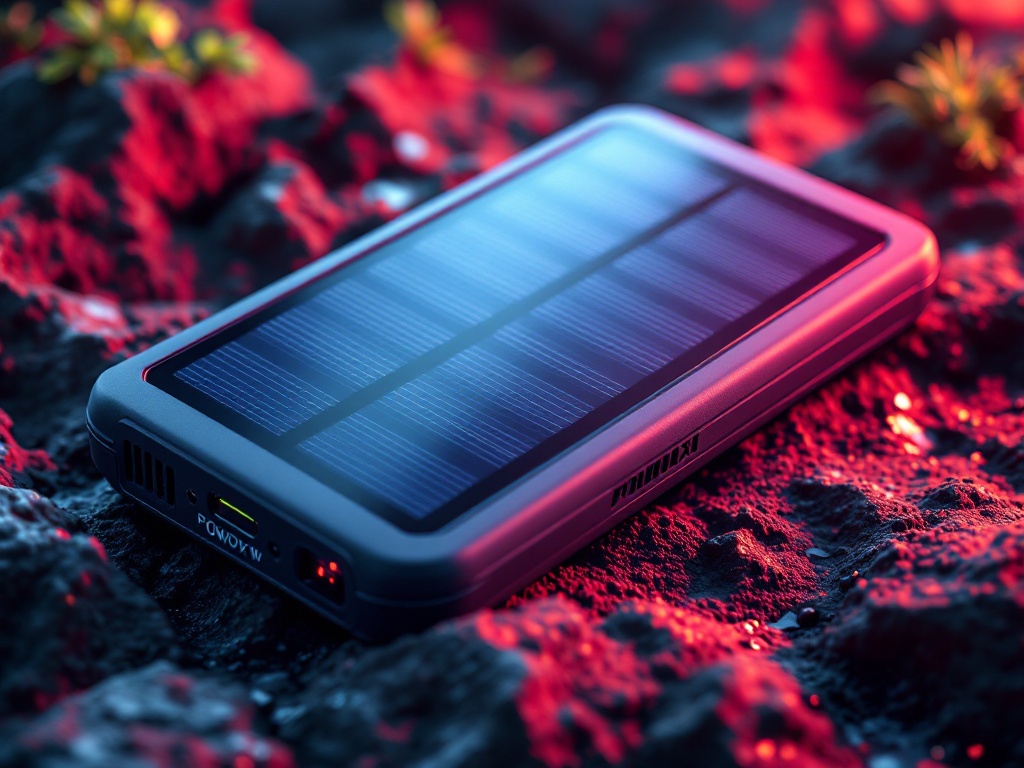
The POWOXI 7.5W comes as a complete kit. The panel itself uses high-transparency, low-iron tempered glass over the solar cells. That’s not marketing filler — tempered glass is meaningfully more resistant to impact and weather stress than the thin flexible panels you’ll find on cheaper units. POWOXI claims conversion efficiency of 25–30%, which would put it at the upper end of what monocrystalline panels typically deliver. That figure is from the product listing and hasn’t been independently verified, but it lines up with the efficiency range monocrystalline technology is capable of reaching under ideal conditions.
The frame is ABS+PC plastic rather than aluminum alloy. That’s a deliberate choice — aluminum frames are harder and can scratch or chip car paint if the panel shifts during use. The plastic composite frame is rigid enough to protect the panel from bending (a common weak point with flexible alternatives) while being gentler on any painted surface it comes into contact with.
Two connection methods are included. There’s a cigarette lighter / 12V socket adapter for quick plug-in use, and alligator clips for direct battery connection. Both methods work, but there’s an important distinction covered in the FAQ below. The kit also includes a 10-foot extension cable, which is long enough to reach from a windshield-mounted panel down to the battery in most standard passenger vehicles. The panel measures approximately 14.76 inches long by 9.06 inches tall and weighs about 2 pounds — light enough to prop on a dash or stick to a windshield with the included suction cups without adding meaningful stress.
The built-in blocking diode structure prevents reverse discharge — that’s the phenomenon where a solar panel bleeds energy back out of the battery at night when no sunlight is being generated. Without this protection, you’d lose charge during dark hours. The LED indicator makes the status readable at a glance: red means the panel is receiving sunlight, green means it’s connected and actively charging the battery. Users report typical operating voltage around 13.2V during active charging. The unit is CE and ROHS certified and carries a 12-month warranty with lifetime technical support from POWOXI.
What to Expect From Day-to-Day Performance
For its intended purpose — maintenance charging on a battery that’s already at or near full charge — the POWOXI 7.5W does what it’s supposed to do. Solar energy offsets the slow bleed of parasitic draw so the battery stays in an acceptable voltage range rather than drifting low over weeks of inactivity. Users report stable voltage readings around 13.2V during sunny conditions, which is a healthy float range for a 12V lead-acid battery.
Cloudy days reduce output, but they don’t shut the panel down entirely. Diffuse light still generates some charge, just less of it. On fully overcast days, the panel’s contribution drops considerably — it’s not going to out-pace parasitic draw in deep overcast for extended periods. For vehicles stored in regions with strong seasonal sun, that’s less of a concern. For storage in consistently cloudy climates, a higher-wattage panel or a supplemental AC charger is worth considering.
The tempered glass construction holds up well against rain and moderate weather stress. For outdoor-stored vehicles — covered boats, RVs, farm equipment — the waterproof design means the panel can stay mounted and working through weather without manual intervention. That’s part of the appeal for agricultural and marine applications where regular manual charging isn’t realistic.
One consistent real-world concern from buyers: the suction cups. They work under normal conditions but they’re not particularly robust. Multiple users across different sources report the suction cups failing to hold securely over extended periods, especially on dashboards that get hot in direct sun. If the panel is going on a windshield and you plan to leave it for weeks at a time, doubling up with a secondary mounting method is a reasonable precaution.
The Lithium Battery Question Nobody Fully Answers
This is the detail most product roundups gloss over, and it matters. The POWOXI product listing states compatibility with LiFePO₄ and lithium-ion batteries. POWOXI’s own FAQ page, however, states the unit is designed for 12V lead-acid batteries — GEL, AGM, SLA, and Flooded types. That’s a direct inconsistency between the product listing and the manufacturer’s own documentation.
Lithium and LiFePO₄ batteries have different charging profiles than lead-acid. A charger designed for lead-acid may not deliver the correct voltage curve for lithium chemistry, and in some cases could damage the battery. If the vehicle in question runs a lithium or LiFePO₄ battery, confirming compatibility directly with POWOXI support before purchase is a genuinely important step — not something to assume based on the product listing alone.
For standard 12V lead-acid batteries in AGM, GEL, or flooded configurations, the compatibility picture is much cleaner. That’s where the POWOXI 7.5W performs most reliably, and where the vast majority of positive buyer feedback is concentrated.
Get it now
POWOXI Solar Battery Maintainer
Check Today’s Price on AmazonThis post contains affiliate links. I may earn a commission at no extra cost to you.
The Vehicles and Situations It’s Built For
The strongest use case is any 12V lead-acid battery in a vehicle that sits for extended periods without regular use. Classic car owners who take their vehicle off the road during winter. Motorcycle riders in cold climates where the bike sits in a garage from November through March. Boat owners whose vessel is docked or stored outdoors for half the year. RV owners between trips. Snowmobile and ATV owners during off-season. Trailers that only move a few times a year.
The common thread across all those scenarios: no consistent AC outlet access and no regular engine runtime to recharge through the alternator. The solar approach solves the outlet problem entirely. As long as the panel gets reasonable sun exposure, it keeps the battery from the slow drift toward a dead cell.
Farm equipment is another solid application. Tractors, ATVs, and other agricultural vehicles often sit unused for long stretches. Running a dedicated AC charger to a barn or field shed just to maintain a battery is impractical. Dropping a solar maintainer on the dash or hood is a straightforward fix.
Where it’s less of a fit: daily drivers. A car that runs regularly doesn’t need a solar maintainer because the alternator handles battery health during normal operation. And vehicles with unusually heavy parasitic draw — anything with aftermarket electronics, large alarm systems, or older wiring with known drain issues — may need more than 7.5W to stay ahead. Forum consensus suggests a minimum of 10W to 20W for vehicles with heavier parasitic draws, and POWOXI itself makes a 15W MPPT-equipped model for buyers who need that extra headroom.
POWOXI vs. Battery Tender, SUNER POWER, and Renogy
The competition in this category breaks into two camps: solar maintainers and plug-in AC maintainers. They don’t really compete on the same terms — it comes down to whether you have an AC outlet available where the vehicle is stored.
Battery Tender (AC plug-in): Battery Tender’s plug-in units use a 3-step microcontroller with temperature compensation and sparkproof connection technology. For vehicles stored in a garage with an outlet, the Battery Tender is a more precise tool. The temperature sensor actively adjusts charging behavior for summer heat, which matters for long-term battery health. But it’s tethered to a wall outlet. For outdoor storage or locations without power, it’s simply not an option. POWOXI wins by default in those scenarios.
SUNER POWER 12W (MPPT): This is the closest direct solar competitor at a similar use case. The SUNER POWER runs MPPT (Maximum Power Point Tracking) technology, which pulls more energy from the panel under variable light conditions and includes a 3-stage charging algorithm — Bulk, Absorption, and Float — that’s more refined for battery longevity over time. It also typically comes at a higher price. POWOXI is the budget pick here; SUNER POWER is the upgrade pick if battery optimization over a long season matters more than upfront cost.
Renogy 10W: A solid mid-tier option with more wattage than the POWOXI, which gives it more margin in partially shaded conditions or vehicles with moderate parasitic draw. The Renogy 10W doesn’t include an LED indicator light, which makes it harder to confirm charging status at a glance. For straightforward maintenance tasks, either works — Renogy has the wattage edge, POWOXI has the indicator light and the lower price point.
POWOXI’s own 15W MPPT model: If 7.5W is the entry point, POWOXI’s 15W version with an MPPT controller is the brand’s own step up. MPPT technology claims up to 99% conversion efficiency, which makes a real difference in low-light and overcast conditions. For vehicles with higher drain or storage in cloudier regions, the 15W is worth the additional consideration over the 7.5W base model.
Worth Knowing Before You Order
A few things that come up repeatedly in buyer feedback that are worth understanding upfront.
The POWOXI 7.5W cannot revive a dead battery. This is a maintainer, not a recovery charger. If the battery has already dropped below 10.5V, using this unit risks sulfation — a chemical process that permanently reduces battery capacity. The correct sequence is to fully charge the battery with an AC charger first, then deploy the POWOXI to maintain that charge over time. Skipping the initial charge step and hoping the solar panel will slowly bring a dead battery back to life is a common misuse that leads to disappointing results and negative reviews.
Long-term efficiency is an open question. At least one buyer reported that after extended use, even with a clean panel in full sun, the output appeared to decline compared to when the unit was new. POWOXI itself recommends replacing the panel every four years for best performance. That’s a reasonable lifespan for a budget-tier solar product, but it’s worth factoring into the cost equation over a multi-year storage routine.
The cigarette lighter connection has a practical limit. The 12V socket in most vehicles is only active when the ignition is on — which means plugging in through the lighter won’t do anything when the vehicle is fully off. Some vehicles have always-on 12V sockets, but most don’t. For vehicles without an always-on socket, direct connection via the alligator clips to the battery terminals is the only method that works with the engine off. That’s the more reliable connection point regardless.
One buyer reported the cigarette lighter adapter itself failing after roughly three years of use. The unit appeared non-functional until the issue was traced to the adapter rather than the panel. If the panel stops seeming to work after extended use, checking the adapter before assuming the panel has failed is a smart first diagnostic step.
Shipping damage has been reported by at least one buyer — a cracked panel on arrival. POWOXI reportedly resolved it quickly, and this isn’t a common complaint, but it’s worth inspecting the panel carefully on arrival before installing it.
Frequently Asked Questions
Will this actually keep my battery from dying if my car sits for weeks or months?
Yes, for a battery that starts fully charged and a vehicle with normal parasitic draw — it will. A healthy 12V battery only loses about 1–3% of charge per month at rest, and 7.5W of solar input in reasonable sun is enough to offset that drift. The key is that the battery needs to be at or near full charge when you start; the POWOXI maintains, it doesn’t recover.
Can it overcharge my battery if I leave it connected for a long time?
The built-in protection system and blocking diode structure are designed to prevent overcharge and overvoltage. At 7.5W, the output is low enough that overcharging a full-sized 12V battery isn’t a realistic risk under normal solar conditions. That said, this unit does not include a standalone solar charge controller — users should monitor battery condition periodically during extended storage rather than assuming the system is completely hands-off.
Does it work on cloudy days or only in direct sunlight?
It generates some power in diffuse or overcast light, but output drops considerably. On fully overcast days, it may not produce enough to offset parasitic drain. In regions with strong seasonal sun, this is rarely a problem over a full storage season. In consistently cloudy climates, a higher-wattage panel gives more buffer.
Can this charge a completely dead battery, or is it only a maintainer?
It’s a maintainer, not a recovery charger. Attempting to charge a battery below 10.5V with this unit risks permanent sulfation damage to the battery. Use a standard AC charger to fully charge the battery first, then deploy the POWOXI to keep it there during storage.
Does it work if I plug into the cigarette lighter, or do I need the alligator clips?
In most vehicles, the 12V cigarette lighter socket is only active when the ignition is on, which means the panel won’t charge the battery through that connection when the car is off. Direct battery connection via the alligator clips is the reliable method for storage and maintenance use. Some vehicles have always-on 12V sockets — check whether yours does before relying on the lighter adapter.
Does it work with lithium or LiFePO₄ batteries?
The product listing claims LiFePO₄ and lithium-ion compatibility, but POWOXI’s own FAQ documentation states the unit is designed for 12V lead-acid batteries (GEL, AGM, SLA, Flooded). That’s a real inconsistency. If the battery in question is lithium or LiFePO₄, confirming compatibility directly with POWOXI support before use is the safe move.
How long is the cable — will it reach from the dashboard to my battery?
The kit includes a 10-foot extension cable, which is long enough to reach from a windshield or dashboard mounting position to the battery in the vast majority of standard passenger vehicles, motorcycles, and small boats. For larger RVs or vehicles with unconventional battery placement, measuring the distance before ordering is worth the 30 seconds.
Will the tempered glass panel break if I leave it in rain or snow?
The panel is waterproof and designed for outdoor exposure. The tempered glass construction is impact-resistant and wind/snow-resistant — it handles weather conditions better than the flexible panels common on budget competitors. Leaving it exposed on an exterior-mounted position during normal weather is within its design intent.
Do the suction cups actually hold the panel in place?
This is a recurring complaint. They work under normal conditions but are not particularly secure over long periods, especially on dashboards that heat up in direct sun. A secondary mounting method is worth adding if the panel is staying in place for weeks or months without regular checks.
Is 7.5W enough, or should I buy a 10W or 20W panel instead?
For most passenger cars and motorcycles with standard parasitic draw, 7.5W is sufficient for pure maintenance. Vehicles with heavier parasitic loads — aftermarket electronics, large alarm systems, older wiring — may need 10W or more to reliably stay ahead. Forum guidance suggests 20W for vehicles with known high drain. If there’s any doubt, sizing up is the safer choice.
How do I know if it’s charging? Is there an indicator light?
Yes — the LED indicator shows red when the panel is receiving sunlight and green when it’s connected and actively charging the battery. It’s a simple but useful way to confirm the unit is working without needing a multimeter.

Related reviews
- Bright Outdoor Lighting Without Wiring: 20-Inch Solar Landscape Lights Review
- These Solar Firefly Lights Work Better Than Expected (We Tested Them in St. Martin)
- Best Emergency Charger for Travel: Spark 2500mAh Power Bank Reviewed
How does it compare to Battery Tender or SUNER POWER?
Battery Tender is the better technical tool for garage storage with AC outlet access — it has temperature compensation and a more refined charging algorithm. SUNER POWER’s MPPT 12W model outperforms the POWOXI in efficiency and charging precision. POWOXI’s advantage is price and the fact that it needs no outlet. For off-grid or outdoor storage where AC power isn’t available, the POWOXI is the practical choice. For everything else, the Battery Tender or SUNER POWER may be worth the upgrade.
Get it now
POWOXI Solar Battery Maintainer
Check Today’s Price on AmazonThis post contains affiliate links. I may earn a commission at no extra cost to you.
About the reviewer
Seb and Michelle
We've tested over 6,500 products in the last 5 years - collaborating with over 4,000 brands and bringing our style of reviews to multiple platforms.