Liquid Allulose Syrup Zero Calorie Sweetener Review
We tried this liquid allulose sweetener straight from the spoon — here's what happened, and why it works better in coffee and on pancakes.

Reviewed by
Seb and Michelle
We've tested over 6,500 products in the last 5 years – collaborating with over 4,000 brands and bringing our style of reviews to multiple platforms. More about me →
This post contains affiliate links. I may earn a commission at no extra cost to you.
Quick Verdict
I’m always looking for zero calorie sweeteners — I like a little sweetness but obviously without all the calories — and this liquid allulose syrup delivered. It’s super sweet, it’s keto-friendly, everything is zeroed out on the label, and I can see myself reaching for it in coffee and on pancakes. Just don’t eat it straight from the spoon. You’ll understand why.
Buy if you:
- Want zero calories with real sweetness in your daily coffee
- Use maple syrup on pancakes and want a no-calorie swap
- Are on keto or a low-glycemic diet and need a reliable sweetener
- Prefer a liquid sweetener that dissolves easily in hot and cold drinks
Skip if you:
- Want something that tastes sweet immediately on the tongue — the sweetness hits with a delay
- Only need a sweetener occasionally and don’t want a specialty bottle on your shelf
- Are sensitive to the ingredient list — it does contain indigestible maltodextrin and rice syrup alongside the allulose
Clicking takes you to the seller's website. We may earn a small commission if you purchase, at no extra cost to you.
Zero Calorie Allulose Sweetener Syrup I Actually Use
I like sweetness. That’s just the truth. But I don’t want the calories that come with it, so I’m constantly cycling through different zero calorie options trying to find one that doesn’t taste weird or leave some strange aftertaste behind. This liquid allulose syrup was sent for my review and I’m excited — I tried it completely fresh on camera, no prep, no pre-tasting. You can check the current price and availability here if you want to follow along.
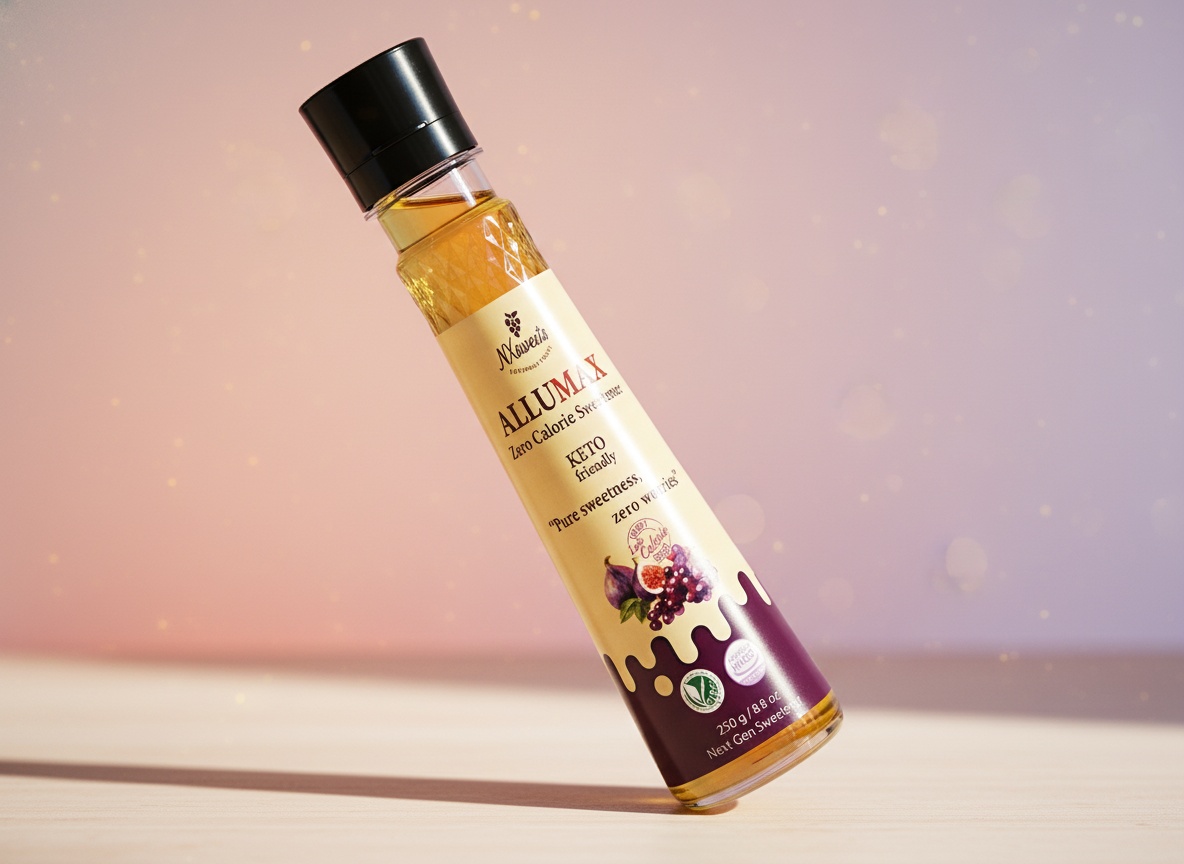
It comes in an 8.8 fl oz bottle, and it’s keto-friendly, non-GMO, and gluten free. The fact that it’s from Korea is something I think is really cool — you don’t often see this type of product coming from that side of the world, and the formulation reflects some care in how it was put together. But none of that matters if it doesn’t taste good. So let’s get into it.
What’s Inside the Bottle
The main ingredient is allulose — 92.09% of the formula, to be precise. Allulose is described as a naturally occurring rare sugar. It provides sweetness without a blood sugar spike and without the digestive issues some people get from other sugar alcohols like erythritol or xylitol. The rest of the formula includes indigestible maltodextrin, rice syrup, enzymatically modified stevia, and calcium lactate.
Everything on the nutrition label is zeroed out. Zero sugar. Zero calories. Low glycemic index. That’s definitely something we like to see — it means there’s no hidden carb count sneaking in to wreck a keto day or spike blood sugar for someone managing that. The liquid format is also a deliberate choice. It dissolves easily and doesn’t leave a gritty texture behind, which is a real problem with some powder-based sweeteners.
The bottle comes in a few sizes beyond the 8.8 fl oz: there’s a smaller 0.53 fl oz option, a larger 18 fl oz, and a 24.69 fl oz size if you’re going through it fast. The liquid format means it pours and drizzles like a syrup rather than scoops like a powder — which changes how you use it.
The Spoon Test and What It Actually Tells You
So I grabbed a little spoon. I figured I’d taste it straight, the same way I’d taste a new syrup before committing to pouring it into something. I gave it a smell first — and it doesn’t smell like anything. Completely neutral. No fruit notes, no sweetness coming off the bottle. Nothing.
Then I tried it from the spoon.
Here’s what caught me off guard: at first I was like “I don’t taste anything” — and then that sweetness came. Delayed. Strong. It hit and it hit hard. I mean, it’s very sweet. Super sweet. So the delay is real and you should know going in that this isn’t like regular sugar where sweetness lands immediately. It takes a beat, and then it’s very much there.
I would not recommend just eating it right from the spoon as a snack or anything like that. That’s not what it’s for. But as a test to understand the flavor profile? It tells you exactly what you need to know: clean, sweet, no weird aftertaste, just a brief delay before the sweetness arrives. And once it lands, there’s no complaints from me.
The Delayed Sweetness — Most Reviews Won’t Mention This
Most reviews of zero calorie sweeteners just say “sweet” or “not sweet enough” and call it a day. But the delay is actually the most useful thing to know before you buy this, because it changes how you use it.
If you’re tasting your coffee right after you’ve stirred this in and think “hmm, not sweet enough” — wait. Give it a second. The sweetness will register. You don’t want to over-pour because the initial moment of tasting might make you reach for more, and then suddenly your coffee is way sweeter than you wanted it to be.
Same logic applies in baking or sauces. Taste, wait a beat, then decide if you need more. It’s a small thing but it could save you from over-sweetening a recipe on the first try.
The fact that the flavor is clean — no bitter metallic edge, no stevia grassiness — is what makes this actually usable day-to-day. A lot of zero calorie sweeteners nail the sweetness but fall apart on the aftertaste. This one doesn’t have that problem.
Learn more
Allulose Zero Calorie Sweetener Syrup
Get the best price today →This post contains affiliate links. I may earn a commission at no extra cost to you.

Coffee Drinkers and Pancake People — This Is for You
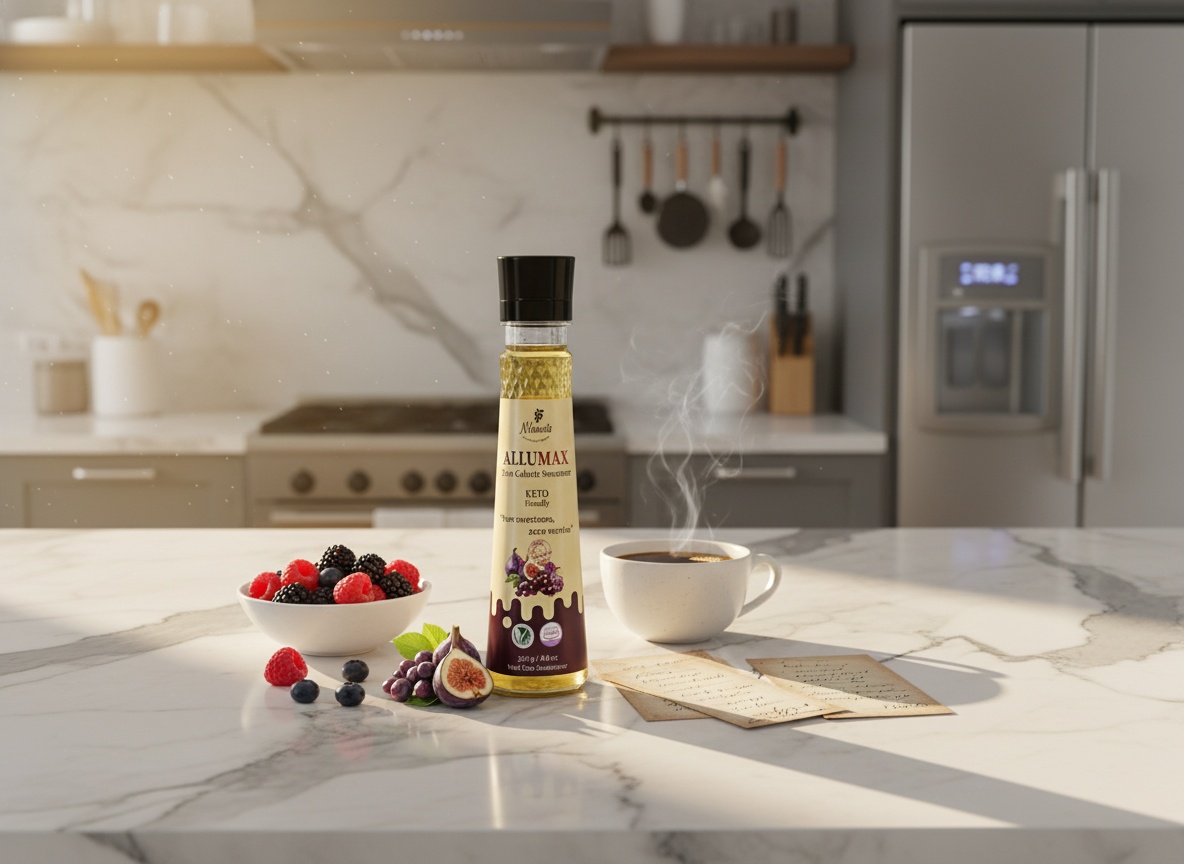
The use cases I can see for this are pretty clear. Making specialty coffees is where I think it really shines. You know how most coffee shops use flavored syrups — vanilla, hazelnut, caramel — and those syrups are basically just sugar water with a little flavor added? This is a direct swap for that. Zero calories, pours exactly like a syrup, and you control how sweet you want it without worrying about what it’s doing to your diet.
I definitely can see myself using this instead of maple syrup on pancakes or something like that. That’s actually what made me reach for the spoon in the first place — I saw a photo of someone drizzling it over pancakes and thought “yeah, that makes sense.” It’s the same drizzle, the same texture, none of the sugar load.
For anyone on a keto diet, this fits cleanly into the macro math. Nothing to count. For diabetics or anyone managing blood sugar, the low glycemic index and zero sugar claims are the appeal. And for people who just want to enjoy their morning coffee without loading it with sugar every single day — this is a practical, easy option that doesn’t ask you to change much about how you drink it.
Baking is another real use case. The liquid format means it can fold into batters and sauces the way a simple syrup would. It’s certified non-GMO and gluten free, so if you’re already cooking with attention to those labels, this fits the same standard.
How It Compares to the Other Options on Your Shelf
The most common comparison here is going to be stevia. Stevia is everywhere and it’s cheap, but a lot of people — myself included — have an issue with that slightly bitter, herbal aftertaste. This allulose syrup doesn’t have that. The sweetness is cleaner and the finish is more neutral. If stevia has been the one thing keeping you from fully committing to a zero calorie sweetener, this is worth trying instead.
Then there’s erythritol. Also popular in keto circles, but the granular versions can leave a cooling sensation on your tongue that feels a bit off in hot drinks. This syrup format sidesteps that entirely. No gritty texture, no cooling effect — just sweetness in liquid form.
Against regular maple syrup or honey? You’re giving up the flavor complexity — this doesn’t taste like maple, it doesn’t taste like anything except sweet. So if you’re using maple syrup for the actual maple taste, this isn’t a one-to-one replacement. But if you’re using maple syrup mostly to add sweetness to something, and you’d rather not have the calories and sugar that come with it, this is a clean swap.
The liquid format is also a meaningful differentiator from most of the market, which is dominated by powders and granules. Liquid dissolves instantly in cold drinks without the need to stir endlessly. That alone makes it more practical for iced coffee and cold brew situations.
A Few Things to Keep in Mind Before You Order
Start with less than you think you need. The delayed sweetness means you’ll want to taste and wait before adding more. That’s the number one mistake you’d make on the first use — pouring too much because the initial taste doesn’t feel sweet enough, then finding out thirty seconds later that it very much is.
Don’t eat it from the spoon. Look, I did it so you don’t have to. It works as a test, but that hit of intense sweetness with the delay isn’t a pleasant snacking experience. It’s meant to be used in something — in coffee, drizzled on food, mixed into a recipe.
Check the size options before you order. The 8.8 fl oz is a good starting point if you want to try it before committing to a larger bottle. If you go through sweetener fast — multiple coffees a day, regular baking — the 18 fl oz or larger might save you money per ounce in the long run. There’s also a Subscribe and Save option on Amazon if you find yourself reordering regularly, which brings the cost down further.
And take a look at the ingredient list before buying if that’s important to you. The bulk is allulose, but the formula also includes indigestible maltodextrin, rice syrup, enzymatically modified stevia, and calcium lactate. Most people won’t have any issues with those, but if you’re sourcing with strict dietary restrictions, it’s worth reviewing.
Frequently Asked Questions
Does this allulose syrup actually have zero calories?
Yes — the nutrition label is fully zeroed out, zero calories, zero sugar. That’s one of the things I checked right away and it’s confirmed. The main ingredient, allulose, is a rare sugar that the body doesn’t metabolize for energy the way regular sugar does, which is what allows the zero-calorie claim.
Is the sweetness comparable to regular sugar?
It’s super sweet — I’d say sweeter than expected, especially once it settles in. The key thing to know is there’s a slight delay before the sweetness registers on your tongue. It’s not instant the way sugar is, so don’t second-guess your first taste and pour more before the flavor has a chance to land.
Can I use this in baking?
Yes, it’s designed for both hot and cold recipes, so baking is a supported use. The liquid format folds into batters and sauces well. Just keep in mind the delayed sweetness when you’re tasting as you cook — taste, pause, then decide if you need more.
Is it keto-friendly?
Yes, it’s keto-friendly — the label backs that up with zero sugar and a low glycemic index. Everything is zeroed out nutritionally, so it fits cleanly into a keto macro count without anything to track.
Does it taste like anything besides sweet — any fruit flavor or aftertaste?
Not really. When I smelled it, nothing came off the bottle. No fruit, no floral, nothing. The taste is clean sweetness with no noticeable aftertaste once it settles. That’s actually one of the better things about it compared to stevia-heavy alternatives, which can leave a bitter or herbal edge behind.
Related reviews
- GiGi Facial Wax Strips Review
- Wahl Professional Peanut Trimmer Review: Small, Mighty, and Surprisingly Powerful
- Plug-In Wax Melt Warmer Review
What sizes does it come in?
There are four size options: 0.53 fl oz, 8.8 fl oz, 18 fl oz, and 24.69 fl oz. The 8.8 fl oz is the main one to start with if you want to test it before buying bigger. Check the current availability for all sizes at the link since stock can vary.
Learn more
Allulose Zero Calorie Sweetener Syrup
Get the best price today →This post contains affiliate links. I may earn a commission at no extra cost to you.
About the reviewer
Seb and Michelle
We've tested over 6,500 products in the last 5 years - collaborating with over 4,000 brands and bringing our style of reviews to multiple platforms.