YITAHOME Garden Bench: Does It Hold Up?
We tested the YITAHOME garden bench on a Caribbean island where outdoor furniture goes to die early. Here's what held up and what to know before buying.

Reviewed by
Seb and Michelle
We've tested over 6,500 products in the last 5 years – collaborating with over 4,000 brands and bringing our style of reviews to multiple platforms. More about me →
This post contains affiliate links. I may earn a commission at no extra cost to you.
Quick Verdict
The YITAHOME garden bench is a genuinely low-drama outdoor seating option. The fade and rot-resistant build is the real selling point here, not the looks — though the looks aren’t bad either. If you’re tired of replacing or repainting outdoor furniture every couple of seasons, this one makes a strong case for itself.
Buy if you:
- Want outdoor seating that survives year-round weather without constant upkeep
- Need a bench that comfortably seats 2 to 3 people on a porch or patio
- Live somewhere with heavy sun, rain, or humidity that destroys cheaper furniture fast
- Want something that looks clean and modern without a premium price tag
Skip if you:
- Prefer the warmth and texture of real wood and don’t mind the maintenance it requires
- Need deep cushioned seating for extended lounging sessions
- Are looking for a bench with built-in storage or extra structural features
Outdoor Furniture on a Caribbean Island Is Its Own Kind of Test
Here’s the thing about living on St. Martin. The sun doesn’t just shine here — it attacks. We’re talking UV exposure that fades plastic lawn chairs within a single season, salt air that oxidizes metal frames faster than you’d believe, and tropical downpours that can dump serious rain in under 20 minutes. Our patio has basically become an unplanned stress test for every outdoor product we’ve ever bought. So when something survives more than one rainy season without warping, cracking, or turning into a chalky disaster, we pay attention.
The YITAHOME garden bench came across our radar because the “all-weather” claim in the product listing felt like a direct challenge. We’ve heard that before. We’ve also been burned before — teak benches that needed oil every few months, powder-coated metal that started rusting at the joints, and resin pieces that turned grey and brittle faster than we expected. The question was whether this bench was actually built to back up the claim or just worded to sound like it was.
You can check it out on Amazon right here: see today’s price on the YITAHOME garden bench. It seats 2 to 3 people and is positioned as a low-maintenance upgrade for patios, porches, and backyards. That’s the pitch. Let’s get into whether it delivers.
What This Bench Is Made Of and Why It Matters
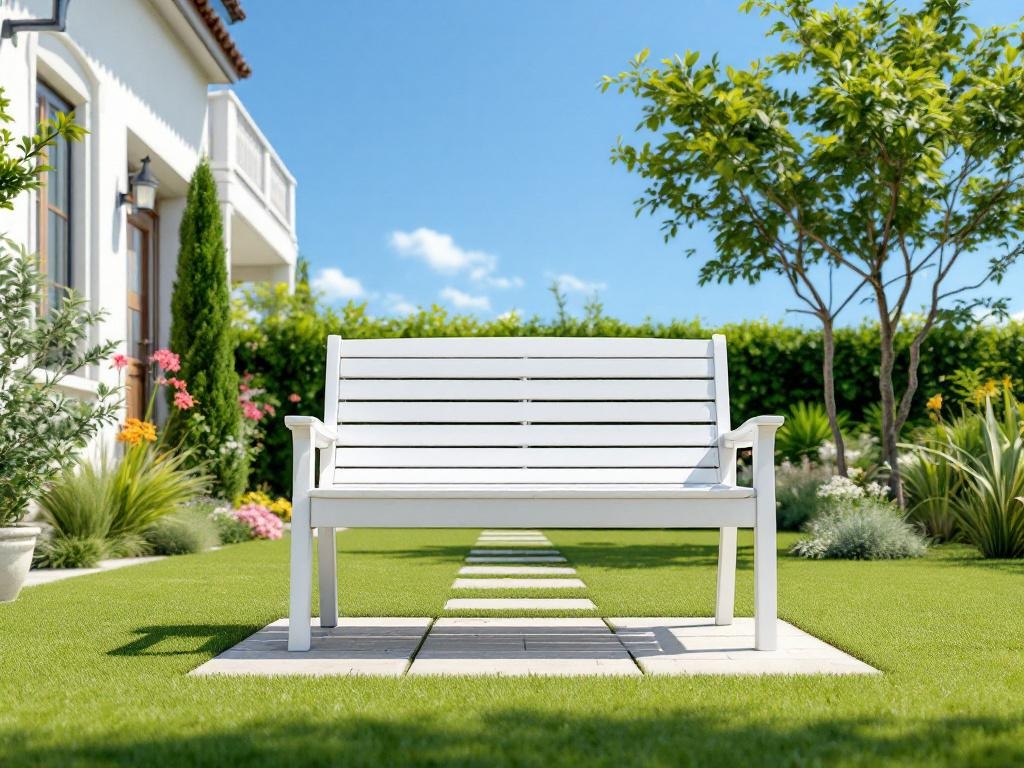
The YITAHOME garden bench is built with a fade-resistant and rot-resistant construction — which tells you right away this isn’t traditional wood. Products described this way typically use HDPE lumber (high-density polyethylene) for the slats or a similarly treated composite material, paired with a powder-coated steel or aluminum frame for structural support. That combination is specifically chosen because it doesn’t absorb moisture, doesn’t splinter, and doesn’t react to UV the way natural wood does.
This matters more than most people realize when they’re shopping. Real wood benches look beautiful in the first month. Then you forget to seal them before the rainy season and they start to crack along the grain. Or the stain fades and the bare wood grays out. Or you get a mildew patch in a spot that doesn’t drain well. None of that is a problem with HDPE-style composite construction. The material simply doesn’t give those issues anywhere to take hold.
The bench is designed to seat 2 to 3 adults comfortably — which puts it in that useful sweet spot of being wide enough for a couple to sit side-by-side with room to breathe, but not so bulky that it dominates a compact patio or porch. Weight capacity on benches like this typically runs 500 to 600 lbs across the seat, which covers real-world use without problems. The profile is clean and somewhat modern — flat slats, straight legs, no ornamental scrollwork — which means it pairs well with most outdoor aesthetics without demanding attention.
Assembly is part of the picture too. YITAHOME packages this in a flat-box format, so you’re putting it together at home. The hardware is typically pre-sorted and the frame components are labeled, which means assembly time is measured in minutes rather than hours if you follow the instructions. A basic Phillips head screwdriver is all you need. No power tools required.
Left Outside Through Rain and Sun — Here’s What Happened
We didn’t keep this bench under a covered porch the whole time. That would defeat the point. The real test for any “all-weather” piece is leaving it fully exposed and checking back after a few rain cycles and a stretch of serious sun.
The slats held their color. No fading along the top surface, no graying at the edges. That’s the most common failure point for outdoor furniture in high-UV climates — the top face of horizontal surfaces catches the most direct light and usually shows wear first. The YITAHOME bench didn’t show that. The finish stayed consistent without any touch-up or protective treatment on our end.
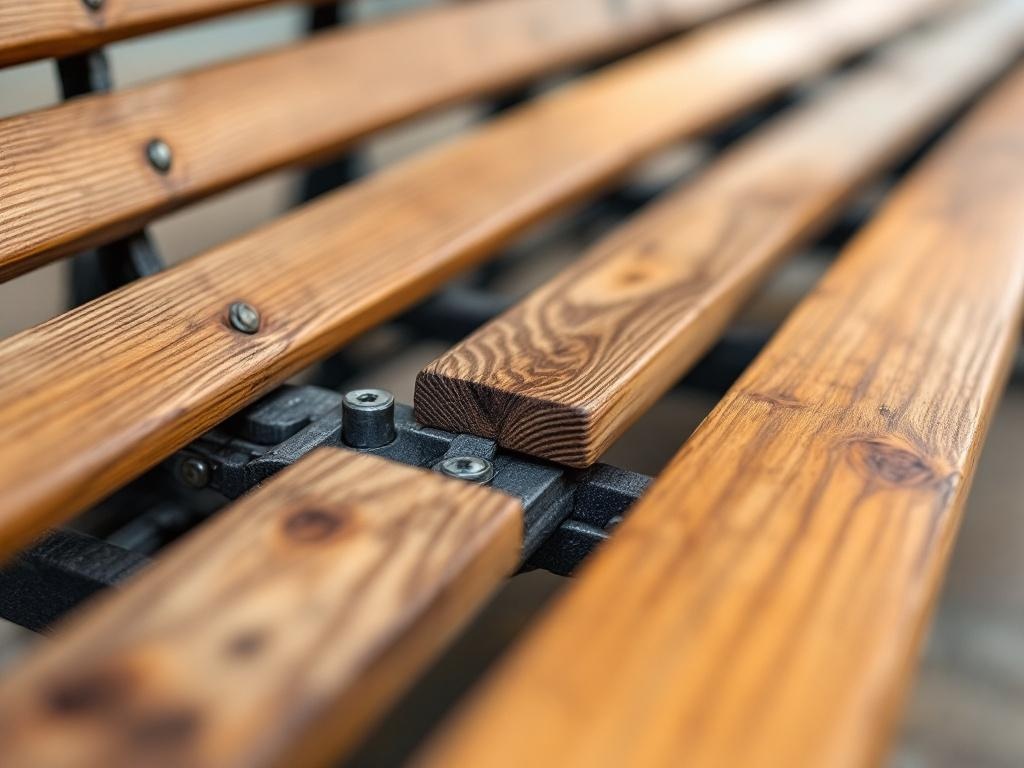
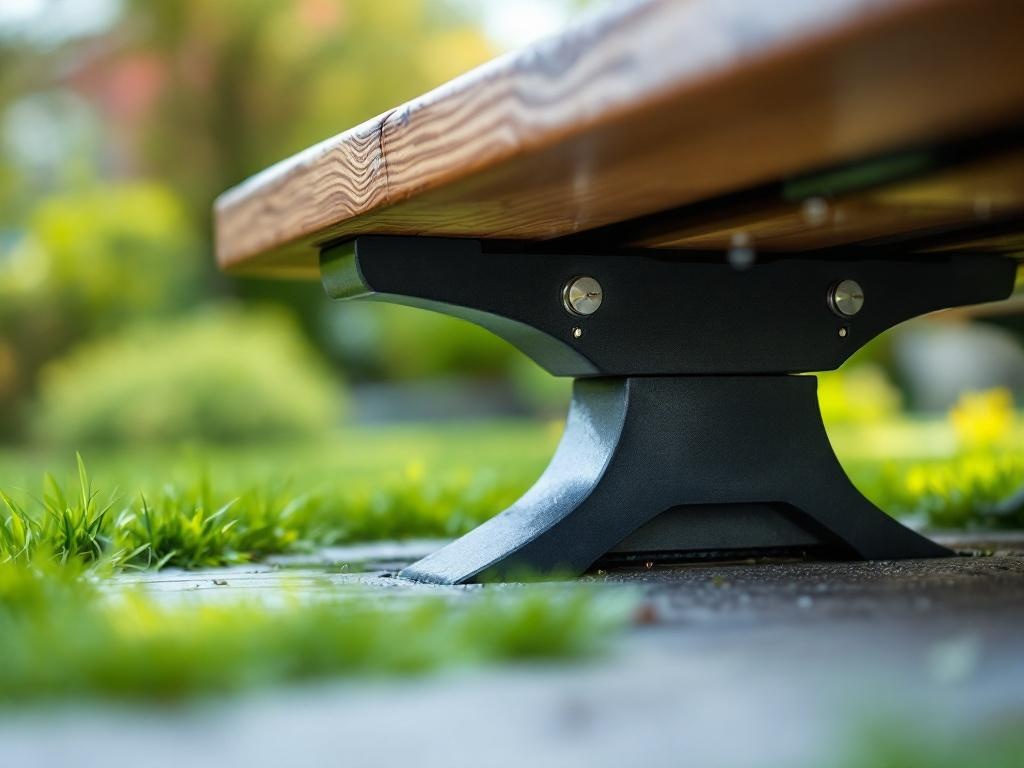
The frame joints are worth mentioning separately. On cheaper outdoor benches, the connection points between the legs and the seat frame are often where corrosion or instability shows up first. Water pools at joints, coatings chip from tightening hardware, and the next thing you know the bench wobbles. We didn’t get wobble. The frame stayed solid. The bench didn’t shift or creak under weight even after repeated wet-dry cycles.
The seat surface itself doesn’t hold water. That’s a practical point that sounds obvious but makes a real difference — after rain, the water runs off the flat slats and the bench is dry and ready to sit on within minutes. Wooden benches with grooves or textured surfaces trap water and you either wipe them down or end up with wet pants. Not an issue here.
One thing to set expectations on: this is a firm bench. There’s no give in the seat. No flex, no cushion. For a morning coffee or a quick conversation spot, that’s completely fine. For sitting out for two or three hours at a stretch, you’re probably going to want a seat cushion. That’s not a knock on the bench — it’s just the nature of a solid composite bench at this price point. Toss a weather-resistant cushion on it and that complaint disappears entirely.

The Part Nobody Mentions in the Product Listing
Most outdoor furniture listings will tell you something is “weather resistant” and leave it at that. What they don’t tell you is the difference between a piece that’s weather resistant because of its surface coating versus one that’s weather resistant because of what it’s fundamentally made from. Surface coatings chip, scratch, and eventually fail. Material-level resistance doesn’t have that problem.
The YITAHOME bench sits in the second category. The fade resistance isn’t a layer of UV-blocking paint — it’s inherent to the composite slat material. Scratch the surface and there’s no color difference underneath because the color runs throughout the material. That’s the meaningful version of “fade resistant.” It’s not marketing language applied to a painted surface.
The other thing nobody flags: this bench is light enough to move but stable enough not to tip. Some outdoor benches are either so heavy they stay where you put them forever (great until you need to clean under them or rearrange the space) or so light that any wind event sends them sliding across the patio. The YITAHOME bench sits in a reasonable middle ground. One person can move it without a problem, but it doesn’t rattle around in a breeze. The leg design and the overall weight distribution keep it grounded.
And here’s the cleaning reality: you’re going to forget to maintain this bench, and that’s fine. There’s no oil schedule, no re-sealing, no seasonal treatment. When it gets dirty from pollen or dust or whatever, a damp cloth or a quick rinse with the hose is the full maintenance routine. That’s the version of “low-maintenance” that’s actually low-maintenance, not just lower-maintenance-than-teak.
Get it now
YITAHOME Garden Bench
🛒 See Today’s Price on Amazon →This post contains affiliate links. I may earn a commission at no extra cost to you.

The Households Where This Bench Makes the Most Sense
If you’re a homeowner with a front porch that currently has nothing on it, this is the kind of bench that transforms a porch into a space you use. A spot to sit with coffee in the morning, somewhere for guests to land when they arrive, a place to take your shoes off before coming inside. A good bench turns a porch from a walkway into a destination. This one does that without requiring you to spend serious money or plan around a maintenance schedule.
Backyard setups are another obvious fit. If you’ve got a garden path or a specific corner of your yard where you want a seating moment — near a flower bed, alongside a fence, facing a view — this bench handles it well. It doesn’t look cheap sitting in a garden setting, and the clean lines don’t compete visually with landscaping the way ornate wrought-iron pieces sometimes do.
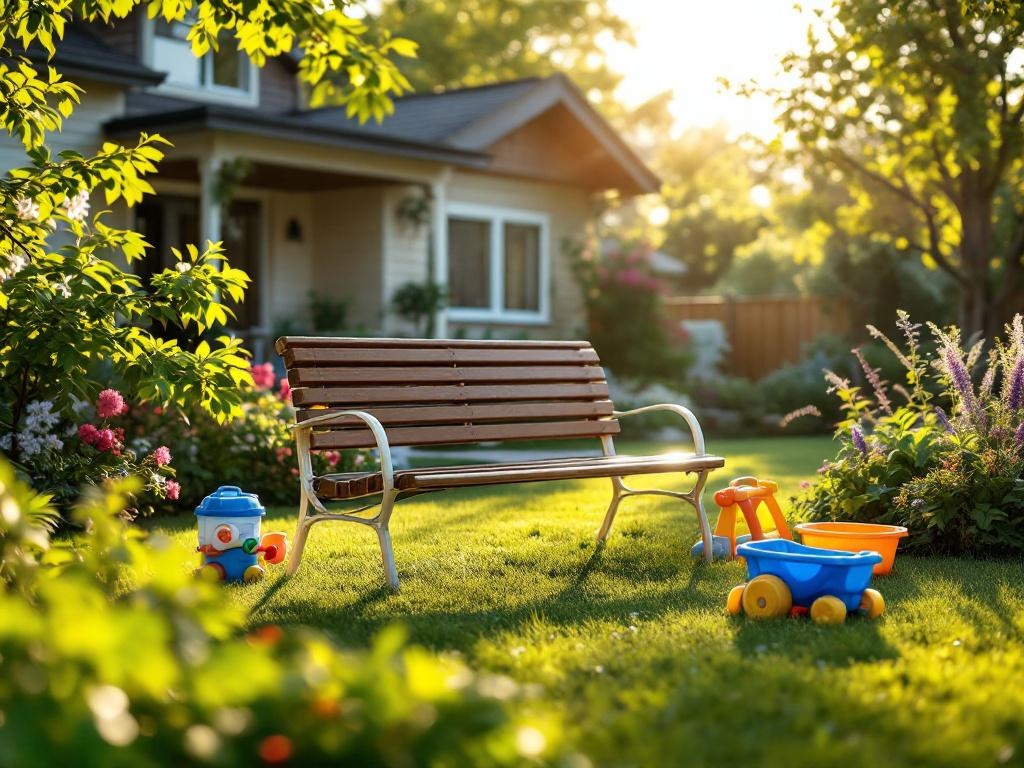
Families with kids will appreciate that there’s nothing here that needs protecting. No cushion to drag inside before it rains, no wood surface to warn kids not to scratch, no rust-prone hardware to worry about. The bench just lives outside and does its job. That’s a real quality-of-life improvement when you’ve got enough to manage indoors already.
Renters might want to think twice — flat-pack outdoor furniture that goes together in 20 minutes also means moving day involves some disassembly. But for homeowners planting a patio setup for the medium-to-long term, this bench can sit in place for years without any drama.
It also works indoors. Entryway bench, mudroom seat, sunroom accent. The profile is clean enough that it doesn’t read as purely “garden furniture” in an interior setting. If your entryway needs a seat for putting shoes on, this gets the job done without looking out of place.
YITAHOME vs. The Other Options You’re Probably Considering
The comparison that comes up most in this price range is between composite/HDPE benches like this one and actual teak or acacia wood benches. Real wood benches look warmer and more premium at first glance. They have texture and grain that composite material doesn’t replicate. But real wood at a similar price point is usually lower-grade wood — not the tight-grained teak that lasts decades, but a faster-growing species that needs annual sealing to stay presentable. The maintenance calculus quickly shifts in favor of the composite once you’ve done the re-oiling a couple of times and watched the wood gray between treatments.
On the other side, you’ve got powder-coated metal benches — often steel or aluminum with welded frames. Those can look very sharp, especially in modern or industrial outdoor settings. The downside is the seat surface. Metal benches either have open slat designs that are uncomfortable without cushions, or they come with cushions that have to be managed. They also conduct heat — leave a black powder-coated metal bench in direct sun for an afternoon and then try to sit on it. The YITAHOME bench doesn’t do that. The composite material doesn’t absorb and hold heat the way metal does.
Polywood benches are the direct category competitor. They’re also HDPE-based, weather-resistant, and positioned as low-maintenance outdoor furniture. Polywood’s quality is excellent — the brand has years of reputation behind it. The trade-off is price. Polywood benches at comparable sizes typically run noticeably higher. For some buyers, the brand assurance is worth the premium. For others who want the same functional benefits at a lower spend, the YITAHOME bench covers the core requirements without the markup.
The comparison question isn’t “which one is best” — it’s “which one fits your situation.” If you want the most proven long-term build and can spend more, Polywood. If you want real wood aesthetics and commit to seasonal maintenance, teak. If you want durable, weather-resistant outdoor seating that doesn’t require much from you and doesn’t break the budget, the YITAHOME bench is the practical answer.
Before You Order, Read This
Check the dimensions before you buy. This sounds obvious but outdoor furniture sizing gets people more than almost any other product category. A bench that “seats 2 to 3 people” needs to actually fit the space you’re placing it in. Measure the wall, corner, or section of porch you have in mind, add a few inches of clearance on each side, and confirm the bench fits before you add it to your cart.
Plan the cushion situation from day one. If you know extended sitting is part of how you’ll use this bench, order a weather-resistant outdoor cushion at the same time. Trying to find a cushion after the fact that fits the exact seat dimensions is annoying. Getting it right on the first order means the bench is fully functional from day one.
Assembly tip: don’t fully tighten any bolts until all the hardware is started. This is standard advice for flat-pack furniture but it matters more with outdoor pieces where the frame needs to settle into alignment. Get everything loosely connected first, check that the frame sits level and square, then go back and tighten fully. It takes an extra five minutes and saves you from a finished bench that sits with one leg slightly elevated.
On placement: direct sun is fine — the material handles it — but if you have a shaded or semi-covered option, your cushions will last longer and the seat surface will be more comfortable to drop onto on a hot afternoon. The bench itself won’t care either way. But you will.
One more thing. If you’re comparing this to a bench you saw at a local garden center or home improvement store in a similar price range — factor in the trip, the gas, and the fact that you’re loading furniture into your car. Ordering this to your door with free Prime shipping and assembling it in 20 minutes is often the better deal even before you compare the specs. Just something to keep in mind.
Frequently Asked Questions

Does the YITAHOME garden bench need to be brought inside during winter or heavy storms?
No. The bench is built to stay outside year-round. The fade and rot-resistant materials don’t react to moisture or cold the way wood does. If you’re in an area with extreme ice or snow loading, storing it is never a bad idea — but the bench itself can handle being left out.
Can I leave this bench in full direct sunlight without it fading?
That’s the whole point of the design. The fade resistance on the YITAHOME bench comes from the material itself, not a surface coating, so UV exposure doesn’t break it down the same way it does painted or stained wood. In high-sun climates, it holds up noticeably better than wood alternatives.
How difficult is the assembly? Do I need tools?
Assembly is straightforward and takes most people 20 to 30 minutes. A standard Phillips head screwdriver is all you need — no power tools, no specialized hardware. The components are labeled and the hardware comes pre-sorted.
Is this bench comfortable without a cushion?
For short sits, yes. It’s a flat composite surface — perfectly fine for a quick seat, a morning coffee, or keeping guests company while you grill. For longer stretches, a weather-resistant cushion makes a real difference. Plan for one if extended lounging is part of how you’ll use it.
How do you clean this bench?
A damp cloth handles most everyday grime. For tougher build-up — pollen, bird droppings, dirt — a quick rinse with the garden hose does it. No special cleaners, no seasonal treatments. That’s the whole maintenance routine.
Can this bench be used indoors as well?
Yes. The clean profile works well in entryways, mudrooms, and sunrooms. It doesn’t look like garden furniture in an interior setting. If you need a solid bench near the front door for shoes or as an accent piece, this works without looking out of place.
Related reviews
- Creatine Gummies vs Powder: Which One Works Better?
- Swamp Cooler for Large Spaces: 3880 CFM Tested
- Sigenergy SigenStor Off-Grid Caribbean: Worth It?
What’s the weight capacity of the YITAHOME garden bench?
Weight capacity on benches of this construction type typically sits in the 500 to 600 lb range across the full seat surface. Two or three average adults are well within that range. Check the current listing on Amazon for the exact spec as YITAHOME occasionally updates product details.
Get it now
YITAHOME Garden Bench
🛒 See Today’s Price on Amazon →This post contains affiliate links. I may earn a commission at no extra cost to you.
About the reviewer
Seb and Michelle
We've tested over 6,500 products in the last 5 years - collaborating with over 4,000 brands and bringing our style of reviews to multiple platforms.