Solar Spotlights: Adjustable Angles & Lighting Modes
Adjustable angles, multiple light modes, no wiring needed. Here's what these solar spotlights actually offer and who they make sense for.

Reviewed by
Seb and Michelle
We've tested over 6,500 products in the last 5 years – collaborating with over 4,000 brands and bringing our style of reviews to multiple platforms. More about me →
This post contains affiliate links. I may earn a commission at no extra cost to you.
Quick Verdict
These solar spotlights land in a sweet spot: no wiring, adjustable angles, multiple lighting modes, and they turn on automatically. For homeowners who want flexible outdoor lighting without calling an electrician, this is a genuinely convenient option. The catch, like with any solar product, is placement — put the panel somewhere shaded and you’ll wonder why it stopped working.
Buy if you:
- Want pathway, driveway, or garden lighting without running any wire
- Need adjustable beam angles to highlight specific plants or features
- Want lights that switch on and off automatically at dusk and dawn
- Are after customizable brightness or color modes for curb appeal
Skip if you:
- Live somewhere with limited daily sun exposure or frequent overcast weather
- Need consistent security-grade brightness every single night regardless of charge
- Already have wired outdoor lighting infrastructure in good shape
The Solar Spotlight Category Has a Trust Problem
Search “solar spotlights” on Amazon and you’ll find hundreds of listings, most of them looking nearly identical, all promising things like “super bright” and “lasts all night.” The reviews are a mess. Half are glowing five-stars from people who got it yesterday. The other half are one-stars from people whose lights died in two weeks. It’s a category where cheap products flood the market and make it genuinely hard to figure out what’s actually worth buying.
That’s the context for why these spotlights caught our attention. The description hits differently than the generic listings. Adjustable angles. Multiple lighting modes. Waterproof build. Auto on/off via light sensor. These aren’t just talking points you slap on a product page — they’re the features that separate a useful outdoor light from a decorative paperweight that dies by February. You can check the current price and availability on Amazon here.
So let’s break down what these spotlights actually offer, who they make sense for, and where the limits are. No inflated expectations. Just the product itself.
What the Specs Are Actually Telling You
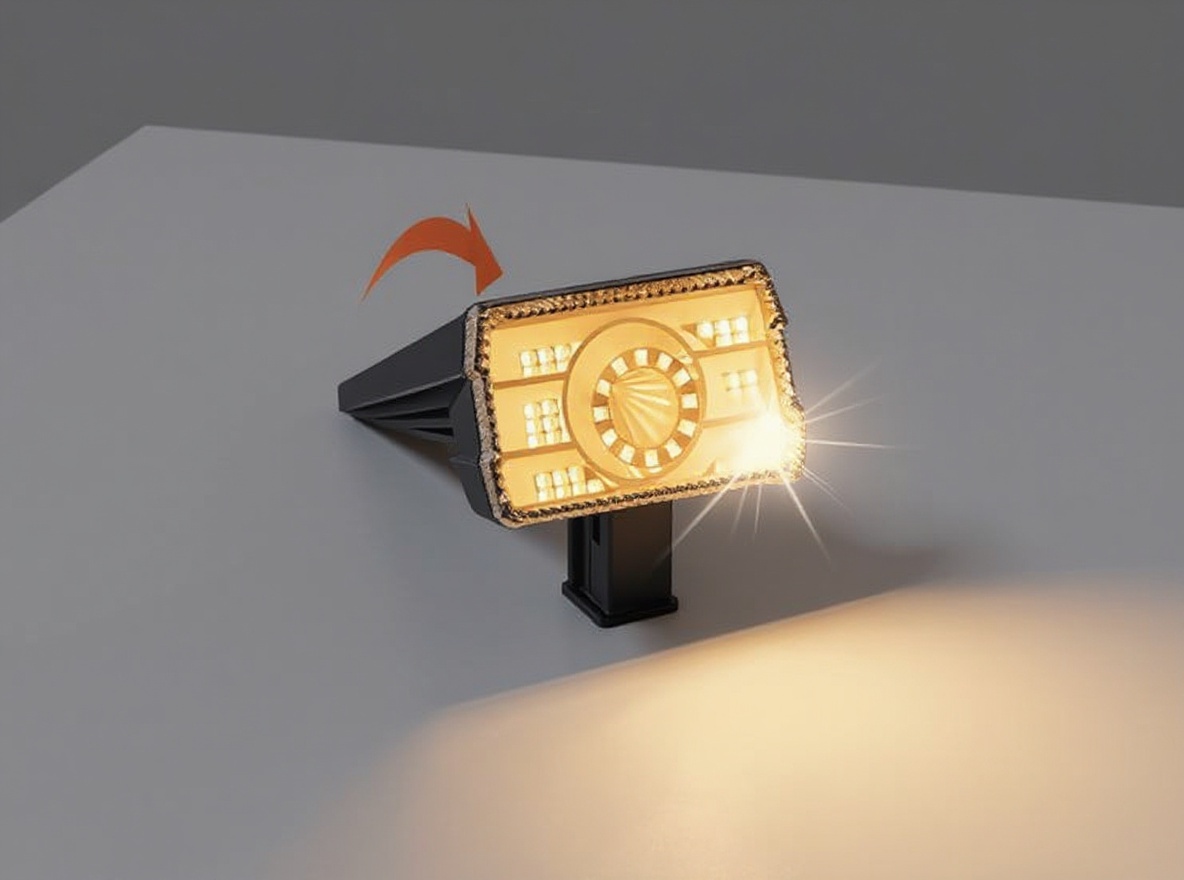
Start with the adjustable angle feature, because it matters more than people give it credit for. Most cheap solar stake lights point straight up or at a fixed position. You plant them, they stay there, and if they’re not aimed right the first time, you’re rearranging your entire yard layout to compensate. Adjustable angles mean you can stake these into the ground near a tree, a garden bed, or a driveway edge and then dial in exactly where the beam hits.
That kind of flexibility changes how you plan your outdoor lighting. Instead of placing fixtures around a fixed beam, you place them where access to sunlight is best and then aim the light where it needs to go. That’s a real-world usability upgrade that a lot of budget solar lights skip entirely.
Multiple lighting modes is the other key spec. The ability to switch between brightness levels or color temperatures means these serve more than one purpose. High mode for a dark driveway or security-conscious pathway. Lower mode for ambient garden atmosphere in the evening. Some setups call for both on the same property — bright along the entry path, softer around the patio or flower beds. One product that handles both is genuinely useful.
Then there’s the waterproof build. St. Martin gets brutal weather — sudden downpours, high humidity year-round, salt air depending on where you are. Any outdoor product that isn’t built for moisture doesn’t last here. But this applies anywhere with regular rain, coastal exposure, or even just morning dew. A waterproof-rated solar spotlight is the baseline requirement, not a bonus feature.
The automatic light sensor handles the on/off cycle without any scheduling app or manual switch. Dusk triggers the light. Dawn shuts it off. Simple. Battery charges through the day, depletes through the night, and the cycle repeats. That’s how solar outdoor lighting is supposed to work, and it’s what separates these from the setups that require you to remember to flip a switch.
Pathways, Driveways, and Garden Beds: Where These Fit
The description calls out three specific use cases: pathways, gardens, and driveways. Each one has slightly different demands, and it’s worth thinking about them separately.
Pathways need enough light to be functional — you’re walking there, guests are walking there, and a dim flicker doesn’t cut it after midnight. Solar spotlights staked along a path at regular intervals, angled slightly inward toward the walking surface, give you clear visibility without the overhead brightness of a mounted fixture. They also look clean. Way better than those low-dome solar stake lights that barely cast a glow beyond their immediate surroundings.
Driveways are a bigger ask. A long driveway needs more units and the right placement to maintain coverage across the full length. These spotlights can do it, but you need to plan the spacing. Too few lights, too far apart, and you get scattered pools of light with dark gaps in between. Budget for enough units when you order, especially if the driveway runs longer than fifteen feet.
Garden use is where the adjustable angle and multiple modes start showing their best side. Uplighting a tree, washing a shrub or flower bed with a soft warm glow, creating depth in a garden at night — all of that requires precise beam direction. A fixed-position stake light can’t do that. An adjustable spotlight can. It’s a meaningful difference if outdoor aesthetics matter to you, and if you’re already spending time on your garden, they probably do.
For any of these uses, installation is genuinely simple. There’s no trenching, no conduit, no electrician visit. You stake them into the soil, adjust the angle, and the solar panel does the rest. For renters, that’s particularly appealing — nothing permanent, nothing that requires drilling or wiring into a property you don’t own.
The Panel Placement Problem Nobody Talks About
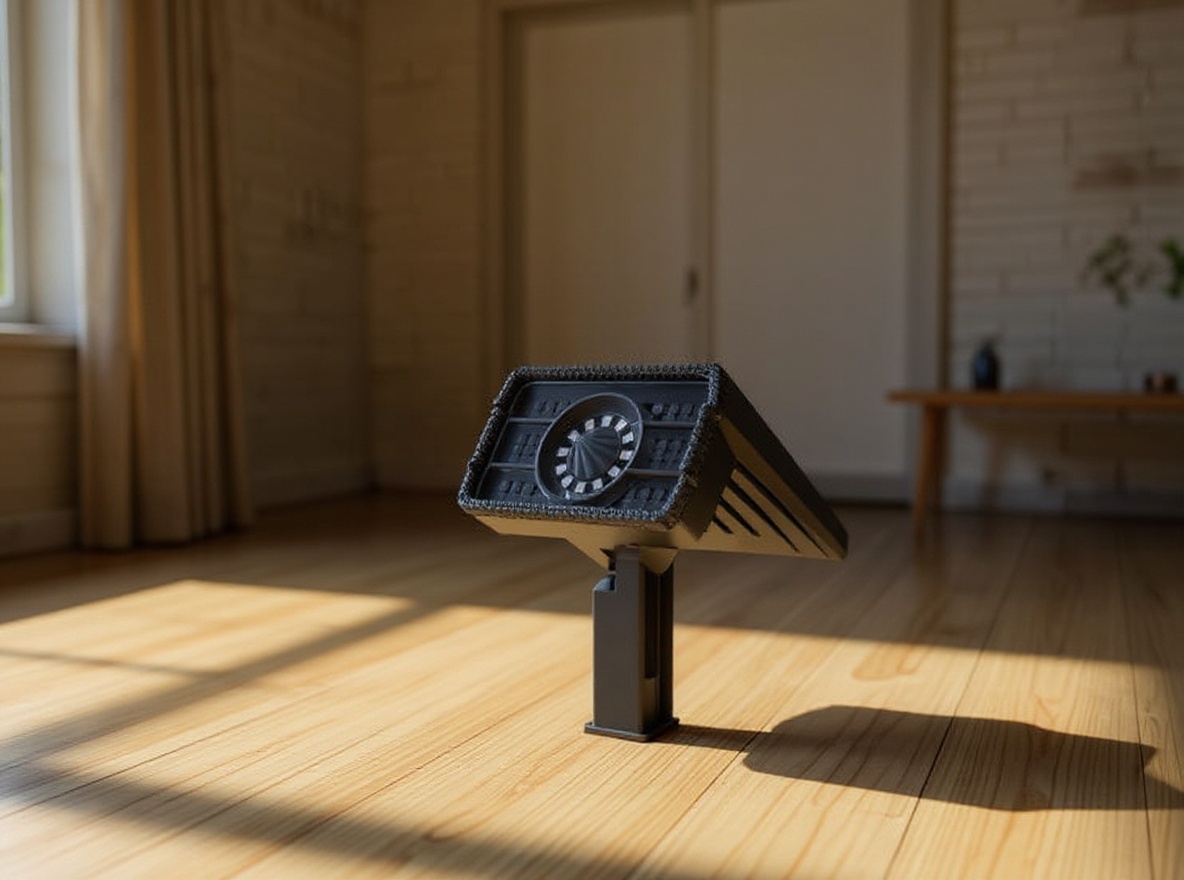
Here’s the thing most solar light reviews ignore completely. The product works exactly as described — as long as the solar panel gets adequate direct sunlight during the day. That sounds obvious, but it’s the part where a lot of buyers get tripped up.
You plant the spotlight near the garden bed you want to illuminate. The garden bed is shaded because that’s why you planted certain things there. The solar panel, which is part of the same unit or directly attached, is now also in that shade. The battery doesn’t charge fully. By 10pm the light is dim or off entirely. You conclude the product is terrible. The product isn’t terrible. The placement was wrong.
This is especially relevant for people with tree coverage, north-facing yards, or dense landscaping. Before you buy solar spotlights for any specific location, spend one afternoon observing how much direct sun hits that spot. If it’s getting four-plus hours of direct sun through the day, you’re fine. If it’s mostly shaded, solar anything is going to underperform regardless of the brand or price point.
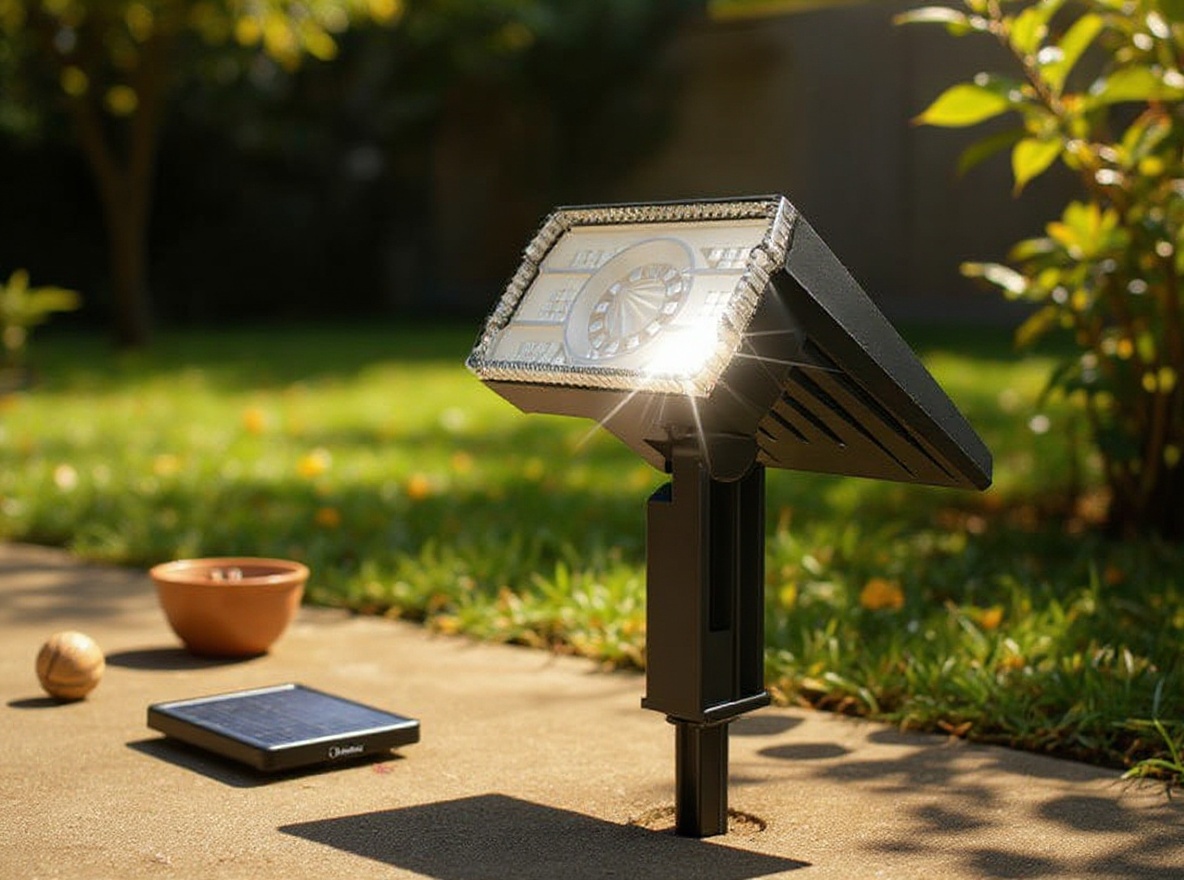
Some solar spotlights solve this with a detachable panel on a longer cable, so you can stake the light near the garden bed and run the panel to a sunnier spot a few feet away. Worth confirming in the product specs before ordering if shading is a concern at your specific install points.
The auto on/off feature also depends on this. If the battery is undercharged from insufficient sunlight, the light might still trigger at dusk but run out by midnight rather than running through till dawn. That’s not a sensor problem. That’s a charge problem. Get the panel placement right and the sensor works exactly as it should.
Get it now
Solar Outdoor Spotlights
🛒 See Today’s Price on Amazon →This post contains affiliate links. I may earn a commission at no extra cost to you.

The Homeowners Who’ll Get the Most From These
The product description says it best: homeowners who want flexible, energy-efficient lighting without wiring or installation hassle. That’s a real category of buyer and it’s bigger than you’d think.
Think about someone who just moved into a house with a completely unlit backyard. Getting hardwired outdoor lighting installed properly — conduit, junction boxes, an electrician — can run hundreds of dollars before you’ve bought a single fixture. Solar spotlights let you set up functional, decent-looking outdoor lighting the same afternoon the package arrives. No permit, no labor cost, no scheduling a contractor.
Or think about someone who rents. Renters can’t run wiring. They can’t make permanent modifications to the property. But they can stake solar lights into a garden bed or along a rented patio and create a genuinely nice outdoor space. Pack them up when you move out. No damage, no landlord conversation.
Weekend DIY types will like these too. If you’re already putting effort into your yard — edging, planting, keeping things tidy — adding lighting is a natural next step that doesn’t require a completely different skill set. These are genuinely stake-and-done. The most complicated part is choosing where to put them.
People who care about curb appeal specifically are a strong fit. A well-lit front yard with uplighting on landscaping and clean path lighting creates a completely different look after dark. These spotlights with adjustable angles and customizable modes give you the tools to create that look without expensive landscape lighting systems.
Where these don’t fit as well: buyers who need guaranteed, consistent, all-night bright lighting for actual security purposes. Solar products are weather-dependent by nature. A run of cloudy days will reduce charge. That’s fine for ambient garden lighting. It’s less acceptable for a security light you’re counting on every night without exception.
Solar Spotlights vs. The Other Options
The main competition here is wired low-voltage landscape lighting. You know the kind — transformer plugged into an outlet, 12V wire buried or staked along the ground, fixtures at regular intervals. It’s a more permanent system, more reliable power-wise, and the fixtures themselves often look more polished. But it costs more to set up, requires some planning and effort to install properly, and ties you to outlet locations. It’s a commitment.
Solar spotlights ask for nothing except sunlight. No outlet, no transformer, no wire management. That trade-off is completely worth it for people who don’t want to deal with the infrastructure of a wired system.
The other comparison is basic solar stake lights — the small dome-top ones you see everywhere. Those are fine for marking a path with a faint glow. They don’t spotlight anything. They don’t have adjustable angles. You can’t aim them at a tree or a garden bed. They’re decorative at best. Spotlights are a different product serving a different purpose.
Battery-powered LED spotlights are a third option worth mentioning. They can be bright and consistent, but you’re replacing or recharging batteries manually. Solar handles that automatically. For any outdoor application where running to a hardware store for AA batteries feels annoying, solar wins on convenience.
The comparison on brightness: a good wired low-voltage spotlight will typically outperform a solar one in raw lumens and consistency. That’s just physics — it’s drawing from a stable power source. But for the vast majority of backyard, pathway, and garden lighting applications, solar spotlights are more than adequate. They’re not flood lights. They’re not security beacons. For what they’re meant to do — create ambiance, mark paths, highlight landscaping — the brightness is right.
Before You Stake Them in the Ground
A few things worth thinking through before you add these to cart.
Quantity matters. One or two solar spotlights placed randomly won’t transform a backyard. Think in terms of a plan — how many pathways, how many garden beds, how many focal points are you trying to light? Order enough to execute the whole vision at once. Piecemeal lighting tends to look unfinished.
Test the placement before you commit. Stake the lights loosely in their intended spots and observe where the solar panel faces. Check it at different times of day. If there’s a better angle for the panel to face without completely changing where the light falls, adjust before you push the stake all the way in.
Give them a few days to calibrate. Solar lights often have a break-in period where the battery reaches full initial charge for the first time. The first night or two may not be representative of typical performance. Let the full charge cycle happen a couple of times before forming a strong opinion on brightness and duration.
Consider the season. If you’re ordering in late fall heading into winter, short days mean less charging time from day one. Performance will improve in spring as daylight hours extend. Buy them with that in mind rather than judging December performance as the benchmark.
Check the mode settings before installation. If there are multiple brightness or color modes, figure out which one you want before the light is staked and angled. Some modes cycle through via a button that becomes annoying to access once the unit is positioned. Set it first, then plant it.
You can check the current price and what’s included on Amazon here — it’s worth confirming exactly how many units come in the set before ordering, since solar spotlight listings vary between single-unit and multi-pack options at different price points.
Frequently Asked Questions
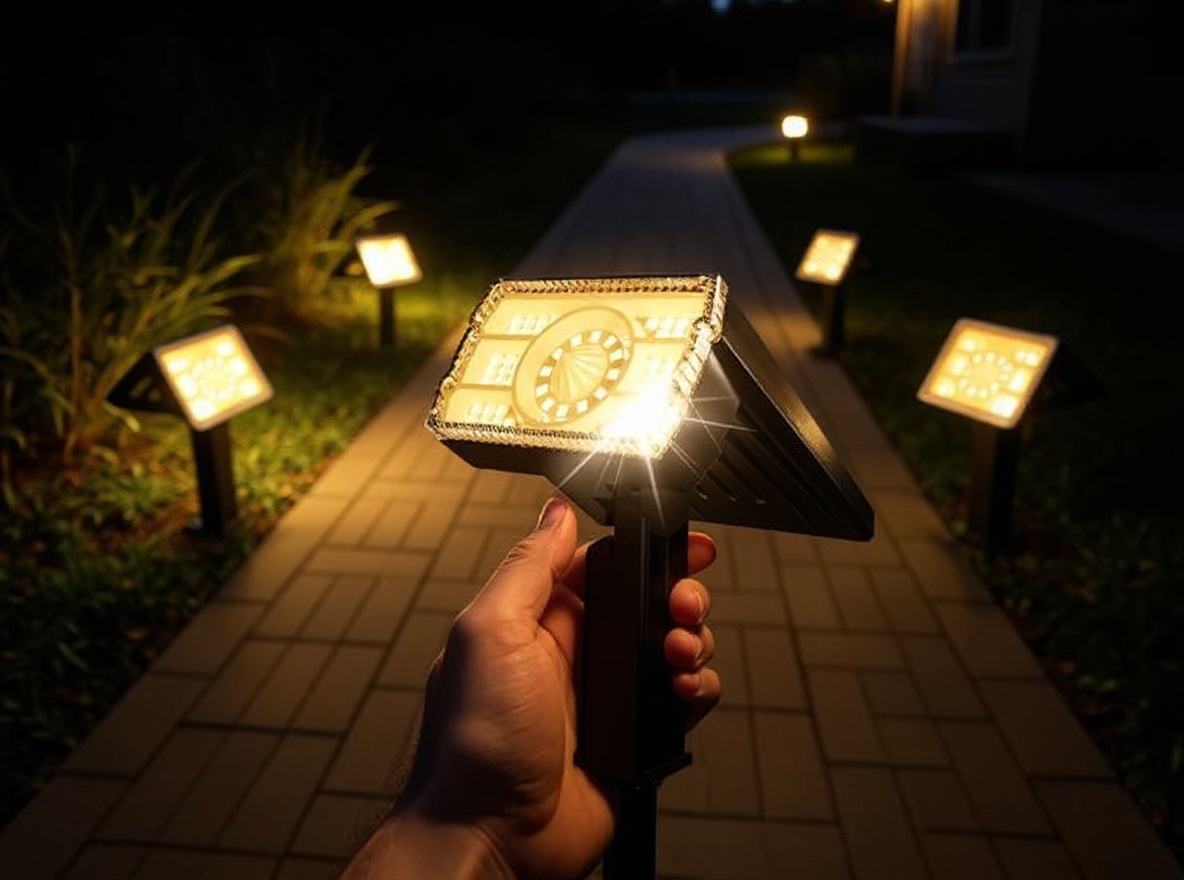
Will these still work after a few cloudy days in a row?
They’ll run off whatever charge is in the battery, but it won’t be a full charge. Expect reduced brightness or shorter run time after consecutive overcast days. This is true of all solar lighting — it’s not a product flaw, it’s just how solar batteries work. If your area gets long stretches of grey weather regularly, factor that in.
Do the different lighting modes make a noticeable difference in how long the battery lasts?
Yes. Higher brightness draws more power, which means the battery depletes faster on a full-bright setting versus a dimmer mode. If you want the lights running all night, a lower brightness mode will stretch the charge further. Use high mode for the first few hours of the evening and it’ll handle itself.
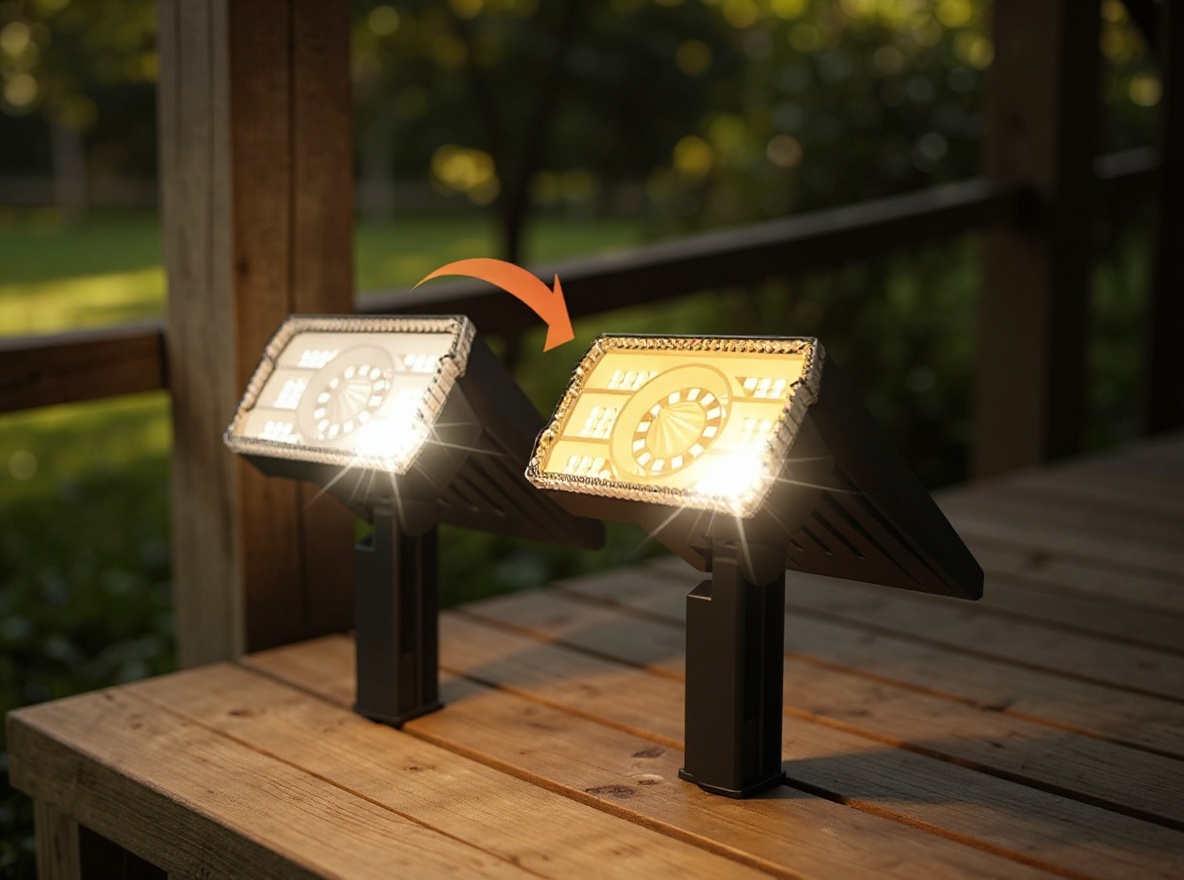
Can these handle heavy rain or are they just splash-resistant?
The product is described as waterproof, which is the higher standard. That means they’re designed to handle rain, not just the occasional drizzle. That said, no outdoor solar light should be submerged or placed in a spot that pools standing water. Waterproof for outdoor use, not underwater.
How wide is the beam? Can these light a large tree or just a small bush?
Solar spotlights typically produce a focused directional beam rather than a wide flood. A mature large tree may need two or three lights for full coverage, while a smaller ornamental tree or shrub can be handled with one well-aimed unit. The adjustable angle helps you maximize the coverage area by tilting the beam to spread light where it’s most useful.
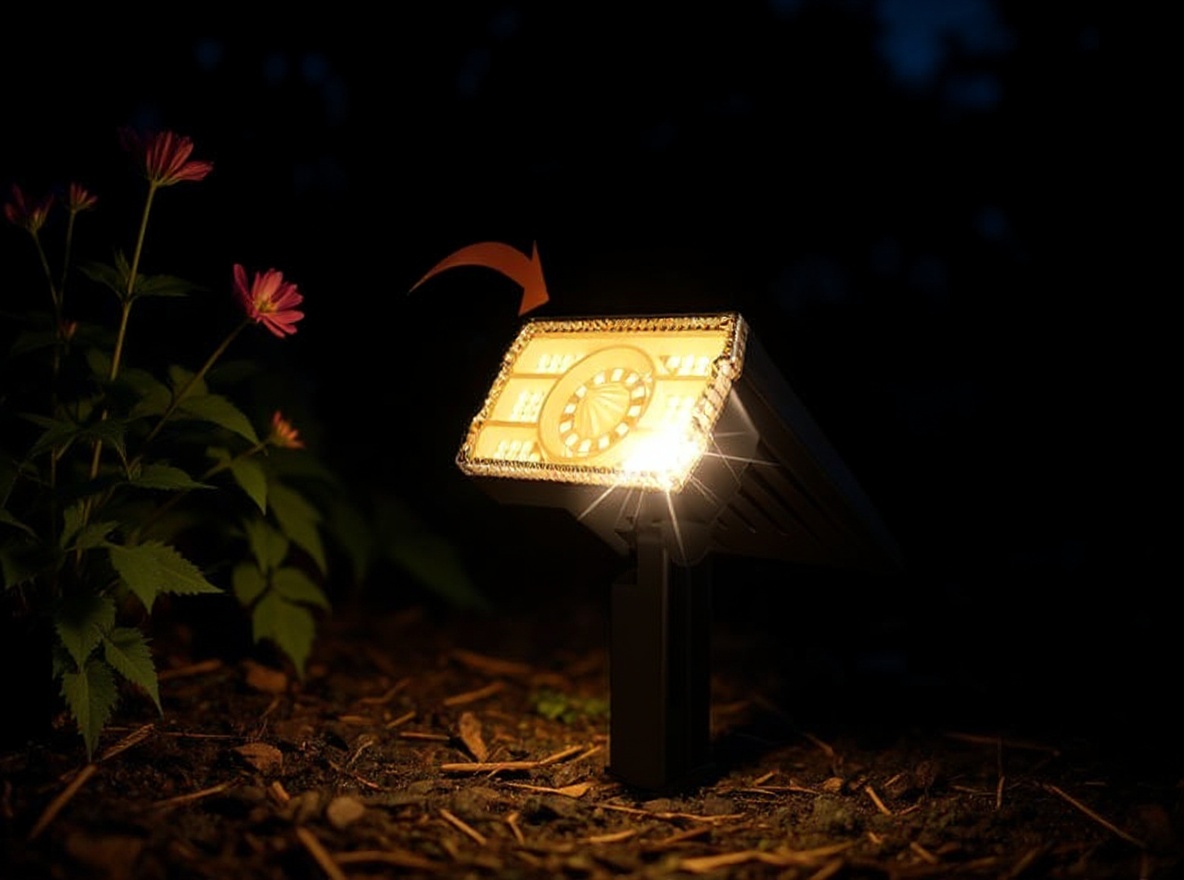
Is there any assembly required or do these come ready to use?
Generally these require minimal setup — stake into ground, adjust the angle of the light head, and that’s it. No tools, no wiring, no complex assembly. The initial charge before first use is the only real prep step, and that just means leaving the solar panel in sunlight for a day before activating the light at night.
Related reviews
- SHONELIGHTING Solar Step Lights Review: 33 LEDs, Zero Wiring, Zero Regrets
- Bright Outdoor Lighting Without Wiring: 20-Inch Solar Landscape Lights Review
- These Solar Firefly Lights Work Better Than Expected (We Tested Them in St. Martin)
Do these work in hot and humid climates?
A waterproof-rated solar spotlight handles heat and humidity better than most indoor-grade electronics, and the solar panel itself has no issues with high temperatures. The main concern in tropical or very humid environments is the battery longevity over years of use, not short-term performance. Keeping the solar panel clean and free of dust or debris helps maintain efficiency in any climate.
Get it now
Solar Outdoor Spotlights
🛒 See Today’s Price on Amazon →This post contains affiliate links. I may earn a commission at no extra cost to you.
About the reviewer
Seb and Michelle
We've tested over 6,500 products in the last 5 years - collaborating with over 4,000 brands and bringing our style of reviews to multiple platforms.