Dimora Silicone Foam Wound Dressing 4×4 Review
We tested the Dimora 4x4 silicone foam dressing, absorption, stickiness, removal, and whether it holds up wet. Here's what we found.

Reviewed by
Seb and Michelle
We've tested over 6,500 products in the last 5 years – collaborating with over 4,000 brands and bringing our style of reviews to multiple platforms. More about me →
This post contains affiliate links. I may earn a commission at no extra cost to you.
Quick Verdict
The Dimora silicone foam dressing is a 4×4, 10-pack wound dressing that absorbs fast, stays stuck through moisture, and comes off without pulling hair or causing pain. I tested it on an awkwardly shaped forearm wound, changed it only once a day instead of every few hours, and it held up. It delivers extended wear time and reliable adhesion for anyone managing moderate to heavy exudate wounds that require consistent protection.
Buy if you:
- Need to dress wounds on awkward body parts like the elbow or forearm
- Want to change dressings once a day instead of every few hours
- Need a dressing that stays sticky after getting wet in the shower
- Are sensitive to painful dressing removals or have hairy skin around the wound
Skip if you:
- Plan on submerging it for extended periods like swimming in the ocean, it can handle a shower but it’s not designed for that kind of prolonged water exposure
- Only need a small dry wound covered, this is built for moderate to heavy exudate and the 4×4 size may be oversized for a minor scrape
- Want a cheap bandage for everyday paper cuts, the 5-layer medical-grade construction is engineered for serious wounds, not light everyday use
Clicking takes you to Amazon. As an Amazon Associate we earn from qualifying purchases — pricing and availability subject to change.
Silicone Foam Wound Dressing Changed Everything for Me
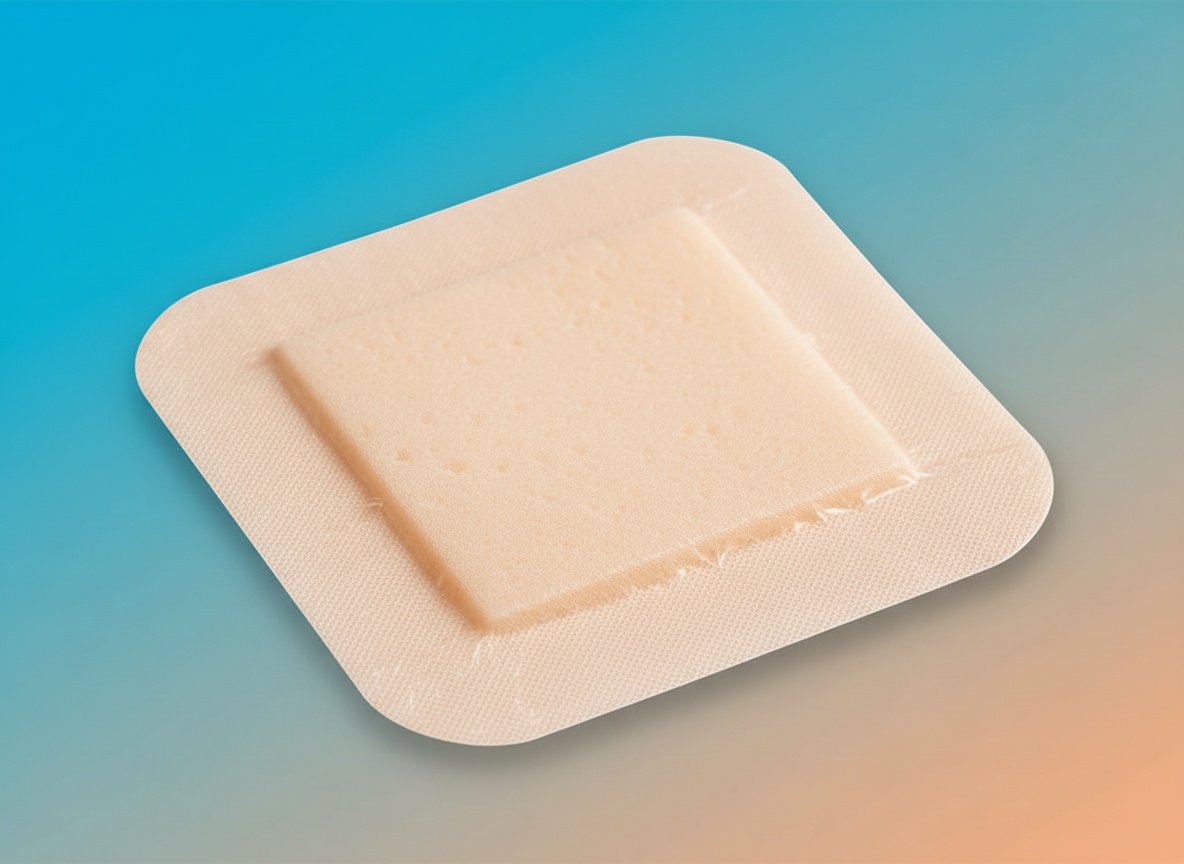
Deora sent me this foam dressing for my review, and what really impressed me right away wasn’t the adhesive border, it was the foam pad itself. That pad not only absorbs super well but also physically protects the wound from being hit or bumped. It feels incredible in your hand. Soft, thick, and with a little give to it. You hold it and you immediately understand why it costs more than a regular gauze pad.
This is the Dimora Silicone Foam Dressing, a 4×4 silicone foam wound dressing that comes in a 10-pack. It’s built for moderate to heavy exuding wounds: pressure ulcers, surgical incisions, diabetic foot ulcers, burns, traumatic wounds. But what I found when testing it is that it handles the messier, trickier real-world stuff too, awkward wound placements, movement, moisture. It’s not marketed as a casual consumer product and it doesn’t perform like one either.
What surprised me most is the stickiness. Not just at the border, the entire foam surface sticks to skin. That’s wild when you first see it. I’ll get into the absorption demo in a second, but that adhesion is what makes this dressing stand apart from a standard bordered foam.
Five Layers, One Very Specific Job
The construction on this dressing is a 5-layer design. The layer touching the wound is medical-grade hypoallergenic soft silicone, it absorbs dead tissue cells, doesn’t stick to moist wound beds, but sticks reliably to dry surrounding skin. That separation is what makes removal pain-free. The foam core is 2mm thick and sits above that silicone contact layer, and above the foam there’s a super-absorbent fiber (SAF) layer followed by a nonwoven backing. The outermost layer is a semi-permeable PU film, water-resistant, breathable, lets oxygen and water vapor pass through while blocking liquid from the outside.
The whole thing measures 4 inches by 4 inches, with the foam pad covering wounds up to 2.5 inches by 2.5 inches. The absorbency claim is up to 15 times the dressing’s weight in wound fluid. Wear time can run up to seven days, though you’d swap it sooner if it’s saturated. No secondary dressing or extra fixation tape needed, the adhesive border and the sticky foam surface handle it all. It’s FSA and HSA eligible, and it’s certified by both TÜV and FDA (ISO 9001).
It Puffs Up as It Absorbs
This is the part I actually demonstrated in the review, and it’s wild to watch. I poured liquid directly onto the dressing to show absorption, and as soon as it contacts the foam, it’s completely gone. No dripping. No pooling. It just pulls it in fast. And here’s the part I didn’t expect: it puffs up as it absorbs. The foam expands. So even as fluid is being drawn into the dressing, the structure stays intact and continues to create a cushion over the wound. That puffed-up dressing is still protecting from exterior contact. That’s not just absorbent, that’s structurally smart.
The reason that matters in practice is frequency of changes. When I used this on someone with a cut on their forearm near the elbow, an awkward spot because of how the arm curves and bends, I was dressing the wound only once a day. That’s the real-world test. Most standard dressings in that situation would need swapping every few hours if there’s any exudate involved. The Dimora went once a day and held without issues. The contour on that elbow was perfect too. The dressing flexed with the shape of the arm and stayed put through movement. Didn’t lift at the edges, didn’t shift.
The stickiness is something I kept coming back to during the review. It’s not just the adhesive border, the foam pad itself is sticky on the skin side. So the whole 4×4 surface is adhering to the surrounding tissue, not just the perimeter. That’s the difference between this and a standard bordered foam dressing that can tunnel fluid under the edge because the center isn’t anchored. Here, the whole thing is locked down. Check the current price and availability at the Dimora listing on Amazon to see what the 10-pack runs right now.
The Removal Worry Is Real (But Unfounded)
This is the friction point that came up in real use, and it’s worth being upfront about. When you first see how sticky this dressing is, and it is so sticky it’s almost alarming, the natural reaction is concern about removal. The person I was caring for said it the first time: “Oh no, this is so sticky. It’s going to hurt.”
That concern is completely understandable. The dressing looks and feels like it would rip coming off. But the silicone contact layer does its job, it doesn’t bond to moist wound tissue, only to dry surrounding skin, and even then the release is gentle. I demonstrated this by peeling it off skin with hair and without. No pulling. No tearing. Comes off super easy. The medical-grade silicone is engineered specifically to be non-traumatic on removal.
But that initial fear is a real moment in the care experience. If you’re putting this on someone who is already anxious about wound care, expect to reassure them before the first removal. The dressing looks far more aggressive than it actually is when it’s time to take it off. That’s a small UX gap worth knowing going in, not a flaw in the product, but something the packaging doesn’t really prepare you for.
Get it now
Dimora Silicone Foam Dressing
Check Today’s Price on AmazonThis post contains affiliate links. I may earn a commission at no extra cost to you.

Who This Dressing Is Built For
This is for caregivers managing wounds at home. Think post-surgical recovery, pressure ulcer care for someone who is less mobile, or diabetic foot wound management. The kind of wound that needs consistent protection over multiple days, not just a quick cover-up.
It works especially well in situations where conventional bandages fail, curved or moving joints like elbows, knees, or ankles where standard adhesives lift and peel. The silicone surface plus the all-over adhesion keeps the dressing in place even when the limb is being used normally throughout the day.
The shower compatibility is a genuine selling point for home use. You don’t have to plan your day around a dressing change before bathing. The PU outer layer is water-resistant enough to handle a normal shower. It will still remain sticky and protect after getting wet. Just don’t take it swimming in the ocean for hours, that’s not what it’s designed for, and that’s a reasonable expectation for any wound dressing at this level.
Nurses, home health aides, and family caregivers who change dressings regularly will immediately understand the value here. The once-a-day frequency, versus multiple changes with a standard gauze pad, means less disruption to healing tissue, less supply consumption from the 10-pack, and less stress on the patient. That’s a meaningful difference in day-to-day wound management.
Before You Open the Pack
Size it right before you order. The foam pad covers wounds up to 2.5 inches by 2.5 inches, the overall dressing is 4 inches by 4 inches, with the remainder being the adhesive border. If your wound is larger than 2.5 inches across, you’ll need to look at a larger format. Don’t assume a 4×4 dressing means 4×4 wound coverage.
Skin prep matters for the adhesion to work properly. The surrounding skin should be clean and dry before you apply. The silicone contact layer handles the moist wound bed, but the border needs dry skin to stick the way it should. If you’re working around a wound that has a lot of surrounding moisture or maceration, dry the perimeter before placing the dressing.
On removal: peel slowly and at a low angle back against itself. The silicone releases without trauma, but going fast or pulling straight up makes any adhesive dressing more uncomfortable than it needs to be. Take your time, especially the first time with a nervous patient. The dressing will release. It’s designed to. You don’t need to rush it or use a solvent.
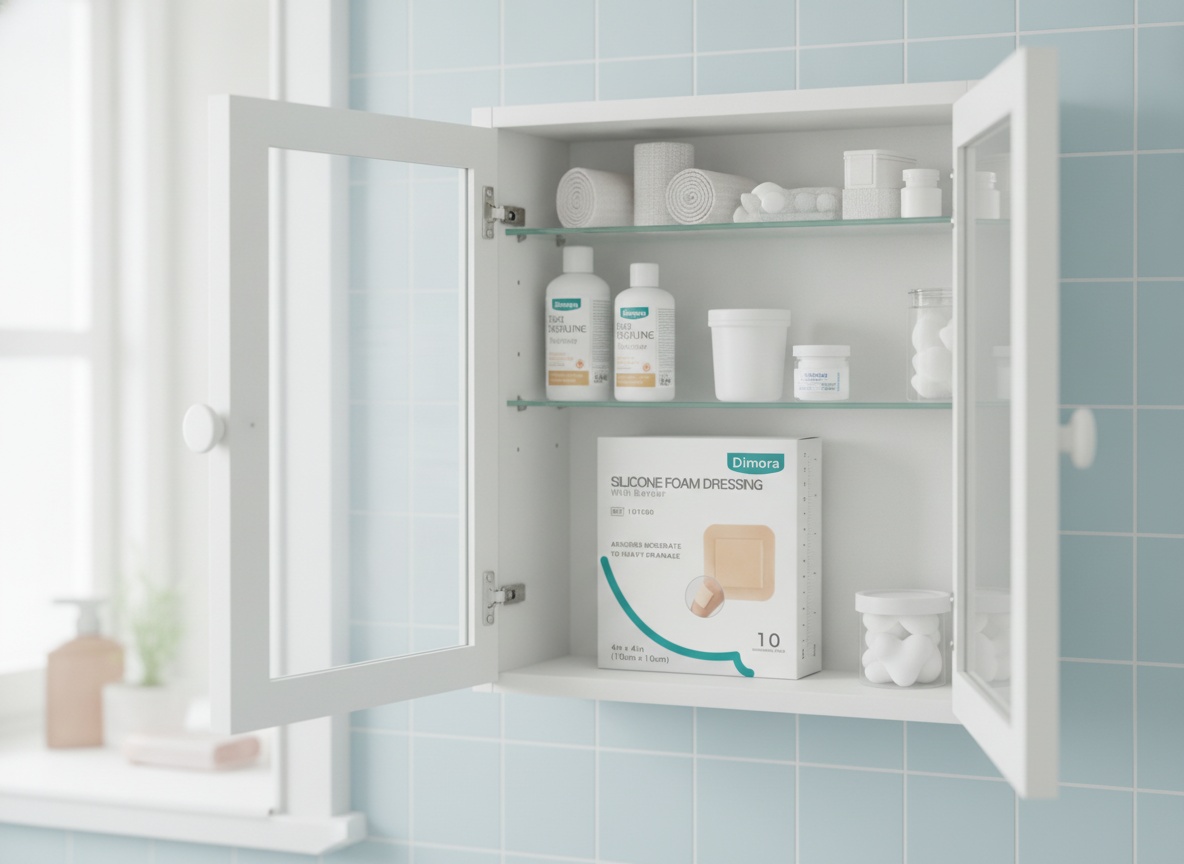
And if you’re using this through an FSA or HSA account, it qualifies, so factor that in when comparing the price per dressing against cheaper gauze alternatives. The per-change cost looks different when you’re only changing once a day instead of three or four times.
Frequently Asked Questions
Can you cut the Dimora foam dressing to fit a smaller wound?
Cutting a bordered silicone foam dressing isn’t recommended because you compromise the sealed border that keeps bacteria out and fluid contained. If the 4×4 is too large for your wound, the excess coverage over healthy skin isn’t a problem, but cutting through the adhesive border changes how the whole dressing functions. The 4×4 format with its 2.5×2.5 foam coverage window is designed as a single unit.
Is this dressing safe for use on burns?
Yes, the product info lists first- and second-degree burns as one of the indicated wound types. The silicone contact layer is non-adherent to moist wound tissue, which is exactly what you need on a burn where pulling at removal can cause re-injury. Third-degree burns require a different level of clinical care and these would not be appropriate without medical supervision.
How do I know when to change the dressing?
Change it when it’s saturated or soiled, you’ll see the foam has absorbed to capacity, and the padding will look swollen and discolored. The maximum wear time is up to seven days, but heavy exuding wounds will need changes more frequently. The foam visually puffs up as it absorbs, so you get a clear physical indicator of absorption load just by looking at it.
Does the dressing need any tape or secondary fixation to stay in place?
No secondary fixation is needed, the all-surface silicone adhesion on both the foam pad and the bordered edge handles it. That’s one of the practical advantages over basic gauze, which always needs tape. The full-surface adhesion is what makes it work on curved areas like elbows without lifting at the edges.
Is the Dimora foam dressing eligible for FSA or HSA reimbursement?
Yes, the 4×4 waterproof bandages are FSA and HSA eligible. If you manage wound care regularly, buying through your flex spending account brings the effective cost down compared to paying out of pocket. Check your plan’s specifics, but this product qualifies as a medical supply.
Who manufactures this dressing and is it medically certified?
The Dimora silicone foam dressing is manufactured by Winner Medical and carries both TÜV certification and FDA clearance under ISO 9001. Winner Medical is an established medical-grade manufacturer, this isn’t a generic no-name dressing rebranded for retail, which matters when you’re putting something on a wound that needs to stay clean and protected for days at a time.
Get it now
Dimora Silicone Foam Dressing
Check Today’s Price on AmazonThis post contains affiliate links. I may earn a commission at no extra cost to you.
Related reviews
- SKYTRAX COMF Memory Foam Neck Pillow Review: Is It Worth Buying?
- Cordless Handheld Car Vacuum: Suction Power & Pet Hair
- 25-in-1 Push Up Board Kit Review: One Box, Full Body Workout
About the reviewer
Seb and Michelle
We've tested over 6,500 products in the last 5 years - collaborating with over 4,000 brands and bringing our style of reviews to multiple platforms.