500-Piece Travel First Aid Kit Review: Compact, Organized, and Actually Ready to Use
We tested this 500-piece travel first aid kit for camping, car trips, and home use. Here's whether the organized compartments and tear-resistant bag live up to the price.
Reviewed by
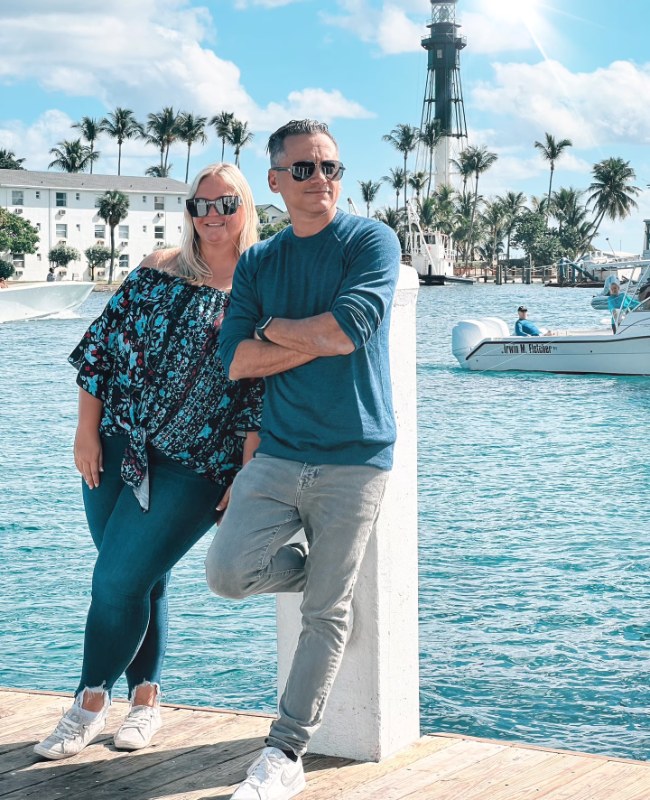
Seb and Michelle
We've tested over 6,500 products in the last 5 years – collaborating with over 4,000 brands and bringing our style of reviews to multiple platforms. More about me →
This post contains affiliate links. I may earn a commission at no extra cost to you.
Quick Verdict
This 500-piece travel first aid kit packs a serious amount of medical supplies into one organized, portable bag that doesn’t fall apart under real use. The compartment layout is the real selling point — when something goes wrong, you’re not digging through a pile of loose bandages looking for antiseptic. It’s not perfect for every situation, but for camping, road trips, and family emergencies, it earns its price tag.
Buy if you:
- Camp, hike, or travel frequently and need supplies on hand
- Want everything sorted into compartments so you can find what you need fast
- Are stocking a car, RV, or boat with a proper emergency kit
- Have a family and want one bag that covers everyone’s basic medical needs
Skip if you:
- Only need a bare-minimum kit for a desk drawer or gym bag
- Want a kit built around specific medical conditions or prescription needs
- Need TSA-friendly carry-on sizing — this is more of a checked or packed bag item
The Moment You Realize Your Old Kit Is a Mess
We’ve all been there. Something minor happens — a cut, a blister, a bee sting — and you go rummaging through whatever passes for a first aid kit in your house or car. You find a few dried-out antiseptic wipes, a bandage that’s lost its sticky, and nothing else useful. That’s the experience this kit is designed to end, and on that front, it delivers.
Living on St. Maarten, we spend a lot of time outdoors — beaches, hiking trails, and plenty of DIY work around the house including our off-grid solar setup. Cuts, scrapes, and minor burns aren’t hypothetical here. Having a kit that’s actually stocked and organized isn’t optional for us. When I came across this 500-piece travel first aid kit on Amazon, the sheer count got my attention. But count alone doesn’t mean anything if the bag is chaos inside. So let’s talk about what you’re really getting.
Short version: it’s a well-organized, compact bag that holds more than you’d expect, built tough enough to take on the road or trail. The compartment layout is where it earns its keep. And yes, the 500-piece claim holds up — though not in the way you might imagine.
500 Pieces Means Something Specific Here
Let’s be clear about what “500 pieces” means. This isn’t 500 distinct medical tools. A good chunk of that count comes from individual-use items: single-use antiseptic wipes, alcohol prep pads, bandages in multiple sizes, gauze pads, and adhesive strips. Think of it as 500 usable items, not 500 categories of gear.
That’s still a very practical count. You’re not going to run out of bandages on a weekend camping trip. And the variety of sizes across the bandage and gauze selection means you can actually handle different wound types — not just the standard 1-inch strip that comes in every drugstore kit.
The bag itself is built from a tear-resistant nylon material. It’s not military-grade armor, but it holds up to being tossed in a trunk, shoved in a pack, and dragged through a campsite without splitting seams. The zippers run smooth. The shoulder strap attaches at both ends and feels like it’ll hold the full loaded weight without digging into your shoulder.
Inside, there are multiple zippered compartments and a series of elastic loops and mesh pockets that keep supplies sorted by type. Bandages together. Gauze together. Tools — scissors, tweezers, safety pins — in their own pocket. When you unzip this kit in a stressful moment, you’re not greeted by an avalanche of loose items. That matters more than people realize until they’ve used a badly organized kit in an actual situation.
Dimensions-wise, it’s compact enough to sit flat in a backpack or car door pocket, but thick enough to hold the full supply without bulging. The shoulder strap adds carry flexibility if you’re using it at a base camp or need to bring it to someone quickly.
Field Use: Caribbean Sun, Trail Dust, and a Blister That Needed Attention
The first real test came during a hiking day on the island. We had the kit clipped to the outside of a daypack using the shoulder strap buckle. Got about two hours in before someone in the group caught a rock edge and opened up a decent cut on their shin.
Unzipping the kit, finding the antiseptic wipes, pulling out the right-size gauze pad, and securing it with medical tape took under two minutes. No digging. No “I know it’s in here somewhere.” Everything we needed was where we expected it to be, because the compartments are labeled and logically laid out.
That’s the thing about a well-organized kit. You only notice how good it is when you need it under pressure. When you’re calm and browsing at home, the compartments feel nice but unremarkable. When someone’s bleeding and you’ve got sand on your hands and three people looking at you, the fact that the gauze is in the second zippered pouch on the left becomes extremely relevant.
We’ve also kept this kit in our car for a stretch of about three months. The compact footprint means it fits in the seat pocket without crowding anything out. The tear-resistant nylon held up to the heat, which is no small thing in the Caribbean where car interiors bake in direct sun. No warping, no glue peeling on the label strips, no zippers seizing up.
One honest note on the blister supplies: the kit includes moleskin-style blister pads, which was a small surprise. That’s not always included in kits at this price point. It’s a detail that suggests whoever put this kit together thought about trail use, not just kitchen accidents.
The Compartment System Saves You in the Worst Moments
Most first aid kit reviews will tell you the count, list the contents, and show you the bag. What they skip over is the organizational logic — and that’s where this kit separates itself from the generic alternatives.
The layout follows a tiered priority system without ever labeling it that way. The outermost, most accessible pocket holds your high-frequency, emergency-use items: gloves, antiseptic wipes, large gauze pads. The inner compartments handle the more scenario-specific supplies — burn dressings, eye pads, elastic bandages. Tools like the EMT shears, tweezers, and thermometer have dedicated elastic loops so they don’t rattle around or get buried under packaging.
This structure is something you’d find on purpose-built trauma bags that cost three to five times more. Getting it in a consumer-grade kit at this price is not something to gloss over.
The other thing reviewers underplay: the EMT shears included are actually usable. They’re not the flimsy plastic scissors that come in cheap kits and can barely cut through a paper bag. These shears cut through clothing and bandage material without jamming. That’s a practical difference if you ever need to expose a wound quickly.
There’s also a small first aid guide booklet tucked into one of the pockets. It’s basic — CPR steps, wound care, treating burns — but having it there means someone without medical training can follow steps in a real emergency. Not everyone in your group is going to know the proper way to treat a deep cut or manage a sprain.
Campers, Families, and Road-Trippers — This One’s for You
If you’re equipping a vehicle, this is a strong fit. It sits flat in most trunks, the shoulder strap means you can grab it and run to someone who needs help, and the 500-piece count means it’ll cover your family through a long road trip without running out of basics.
For camping and hiking, the tear-resistant bag and compact form factor check both boxes. You can attach it externally to a pack or shove it in a side pocket. The contents cover the most common trail injuries: cuts, blisters, sprains, minor burns, splinters.
Families with kids at home will find it useful as a household hub kit too. The organizational layout means older kids can learn where things are and use the kit without adult supervision for minor scrapes. That’s a small but real practical win for busy households.
Where it’s less ideal: if you’re a solo traveler packing light for carry-on only, this kit is too bulky. It’s not meant for a jacket pocket or a small personal item bag. And if you have specific medical needs — asthma, severe allergies, diabetes — this kit doesn’t cover you there. You’d be supplementing it with your own supplies regardless. That’s not a knock on this kit; that’s just the reality of general-purpose first aid versus personal medical management.
For outdoor professionals, small business owners, or anyone who runs group activities — fitness instructors, sports coaches, tour guides — this kit is more than adequate as a group safety bag. The supply count means you’re covered for a full day with multiple people without restocking.
This Kit vs. Building Your Own vs. Buying Pharmacy Brand
There are three ways to approach a first aid kit. You can buy a cheap 50-piece kit from a pharmacy, spend $150+ building your own custom kit from individual components, or pick something like this 500-piece option in the middle.
The pharmacy kit fails on depth. You get a handful of bandages, a couple of wipes, and a travel-sized tube of antibiotic cream. Fine for a desk drawer. Not fine for a camping weekend with four people.
Building your own kit gives you total control over what goes in. You can include the exact brands you trust, the specific gauze sizes you prefer, your own medical shears. The problem is cost and time. By the time you buy everything individually from a quality source, you’ve easily spent $120-180 and a few hours of research. Then you need a bag that fits it all, which is its own mission.
This 500-piece kit lands at a price point that beats both alternatives on value. You’re not getting the bespoke quality of a handbuilt trauma bag, and a few of the individual components are entry-level. The bandages won’t hold as well in water as name-brand waterproof strips. The nitrile gloves included are thin. These are real trade-offs.
But for 90% of the situations where you’d actually open a first aid kit — minor cuts, scrapes, blisters, burns, sprains — the contents here are completely sufficient and the organization buries anything you’d buy at a pharmacy. That’s the honest comparison.
Before You Stock It, Read This First
When the kit arrives, don’t just close it up and throw it in your car. Take 20 minutes to go through every compartment. Learn where things are before you need them. This sounds obvious, but most people skip it and then fumble when a situation comes up.
Add a few things that aren’t included. A small tube of hydrocortisone cream for insect bites. A couple of personal medications if you take any. A SAM splint if you’re going on serious hikes. The base kit covers the common scenarios, but tailoring it to your specific activities takes maybe $10-15 of additional items.
Check the expiration dates on the antiseptic wipes and any topical medications after about 18 months. Most of the physical supplies — bandages, gauze, tools — don’t expire in any practical sense. But the chemical ones do, and using an expired antiseptic wipe on a wound isn’t much better than using nothing.
If you’re stocking one for a vehicle, set a calendar reminder to swap out the contents every 2 years. Extreme heat cycles — which are very real here in the Caribbean and in any warm climate — can degrade adhesives and wipes faster than you’d expect.
One last thing: tell the people who’d use it where it is and how it’s organized. A first aid kit that only one person knows about isn’t actually a first aid kit for the group. Five minutes of orientation goes a long way.
If you’re ready to stop improvising and actually have a proper kit on hand, grab the 500-piece travel first aid kit on Amazon and spend that 20 minutes learning what’s inside. You’ll be glad you did the next time you need it.
Frequently Asked Questions
Is this kit compact enough to fit in a hiking daypack?
Yes, it fits in a standard daypack side pocket or main compartment without eating up too much space. It’s not a slim pouch, so if you’re running an ultralight setup you’ll feel the weight. For most recreational daypacks it’s a non-issue.
Does the 500-piece count include small individual-use items like wipes and bandages?
Yes, the count includes all individual-use items. Each antiseptic wipe, bandage, and gauze pad is counted separately. You’re not getting 500 distinct medical instruments — you’re getting 500 usable items across a wide range of categories, which is the right way to count a consumable first aid kit.
Can I use this kit in a vehicle long-term without the heat damaging anything?
The nylon bag and physical supplies handle heat cycles well. The chemical items — antiseptic wipes, alcohol pads, topical ointments — can degrade faster in extreme heat over time. Plan to check and replace those components every 12-18 months if the kit lives in a hot car.
Are the scissors and tweezers in the kit actually usable, or are they cheap plastic?
The EMT shears included are metal and functional — they cut clothing and bandage material without jamming. The tweezers are basic but adequate for splinter removal and tick extraction. Neither is a professional-grade instrument, but both perform well for general first aid use.
Is this kit good for international travel, including carry-on?
For checked luggage or road trips, it’s a great travel option. For carry-on, the scissors will get flagged at TSA. If you want to fly with it, remove the shears before the flight or pack it in checked luggage. The rest of the supplies are fine to carry on.
How do you restock it after using supplies?
The individual components are all standard sizes available at any pharmacy or on Amazon. There’s no proprietary packaging here — bandage sizes, gauze dimensions, and wipe formats are all universal. A small restock run after a camping trip takes about 10 minutes and a few dollars.
About the reviewer
Seb and Michelle
We've tested over 6,500 products in the last 5 years - collaborating with over 4,000 brands and bringing our style of reviews to multiple platforms.