Sierra Madre Water Filter Straw Review: Ultralight Clean Water on the Trail (Honest Test)
An excellent ultralight filter for North American hiking — but it does NOT remove viruses. Know your destination before you rely on it as your only treatment method.
👍 Buy if you:
- Hike or backpack in North America
- Need emergency preparedness coverage
- Want the lightest possible filter
- Camp near clear running water
❌ Skip if you:
- Travel internationally (virus risk)
- Need to filter large group volumes
- Want to fill bottles without drinking inline
- Hike in areas with heavy agricultural runoff
The Warning No Water Filter Straw Review Leads With (But Should)
Let’s get the most important thing out of the way first — because most reviews bury it in the technical specs where nobody reads it. The Sierra Madre water filter straw, like every hollow fiber straw filter on the market, does NOT remove viruses. The 0.2-micron membrane stops bacteria, protozoa, and microplastics with high effectiveness. Viruses are smaller — they pass straight through. In the North American backcountry, this is rarely a problem. In developing countries or regions with heavily contaminated water sources, it absolutely matters. Pair this straw with a UV pen or chemical treatment if there’s any virus risk in your destination.
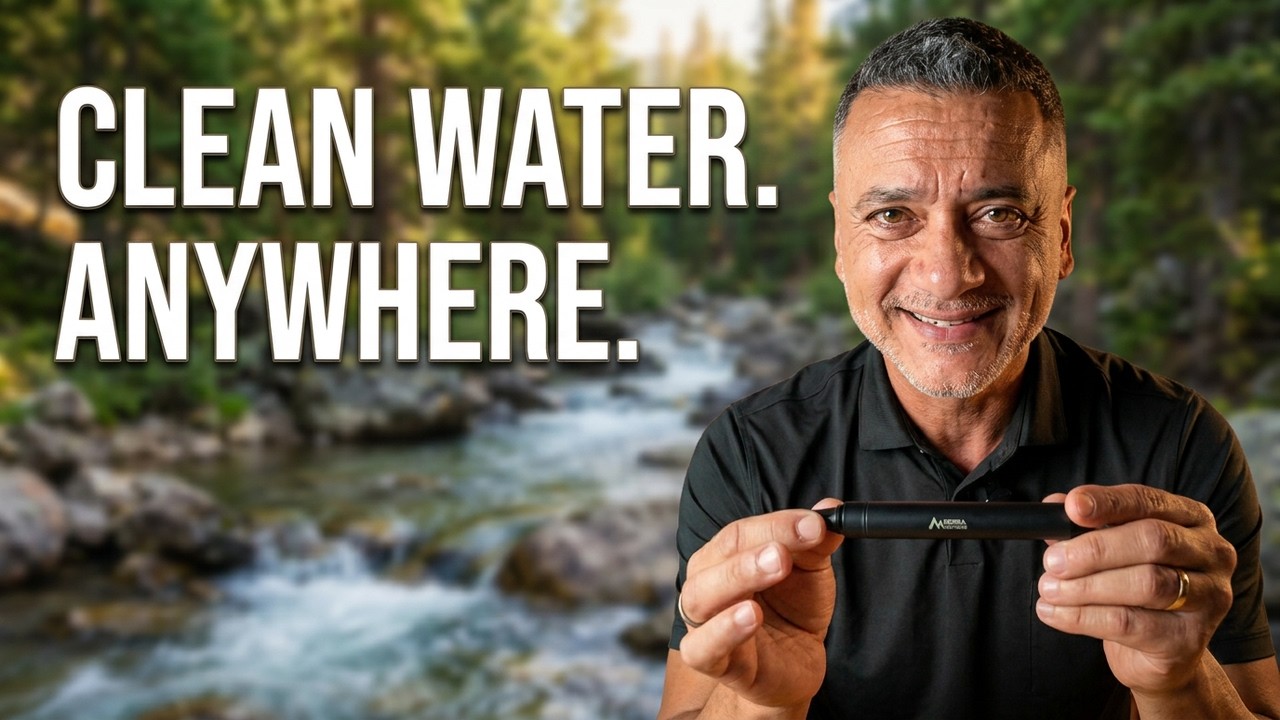
With that established: for North American hiking, camping, kayaking, and emergency preparedness, the Sierra Madre straw is one of the most impressive ultralight clean water solutions we’ve tested. Here’s the full breakdown.
Weight and Packability: The Real Ultralight Advantage
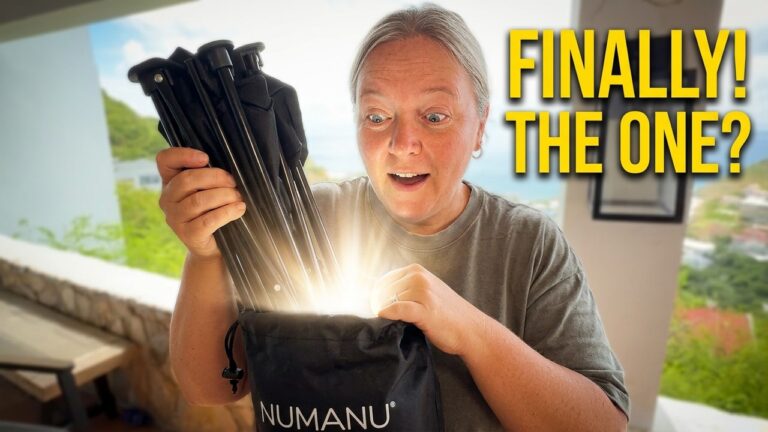
The Sierra Madre water filter straw weighs under 2 ounces — light enough that there’s genuinely no excuse not to carry one as a backup even if you have a primary filtration system. Most ultralight thru-hikers on long-distance trails clip a straw filter to a shoulder strap for opportunistic drinking at stream crossings without stopping to set up a gravity or pump system. At that weight, it’s barely more burden than carrying a protein bar.
The filtration standard is 0.2 microns — the industry benchmark for hollow fiber filters. This catches 99.9999% of bacteria and 99.999% of protozoa. The filter also handles microplastics and suspended sediment, so visibly murky water comes out clear. Flow rate through hollow fiber requires slightly more suction than a regular drinking straw — a minor adjustment that becomes natural within minutes and barely noticeable after the first use.
What We Found Testing Multiple Water Sources
We put the Sierra Madre straw through three sources: a clear running stream, a stagnant pool with visible sediment, and standing water from a muddy trail runoff. All three produced water that tasted clean and neutral — no earthy aftertaste from the sediment sources, no chemical flavor from the filter itself. The suction effort increased slightly with the murkier sources as sediment loaded the membrane, which is completely normal for any hollow fiber filter and easily corrected by backflushing.
Backflushing — blowing air back through the mouthpiece to purge the fibers — is a 10-second maintenance step that dramatically extends filter life and restores flow rate. Do it every few uses, especially after filtering sediment-heavy water. The one non-negotiable: never let the filter freeze. Ice crystals rupture the hollow fibers permanently. The filter will look undamaged but will no longer filter safely. On cold nights, keep it inside your sleeping bag.
Straw Filter vs. Squeeze Filter: Which Do You Actually Need?
The main limitation of a straw filter is that you must drink directly from the source. You cannot filter water into a bottle for later use without an additional squeeze bag attachment. For day hikes near reliable water sources, this is a non-issue. For serious multi-day backpacking where you need to carry water between sources, a squeeze filter attached to a soft bottle gives you more flexibility — at more weight and cost.
The Sierra Madre straw’s ideal use cases: day hikes, emergency preparedness kits, kayaking and fishing trips, backup filter on long-distance trails, and any weight-critical pack where you’ll be near water regularly. If you need to carry capacity or filter for a group, consider a gravity system instead.
| Feature | Straw Filter | Squeeze Filter |
|---|---|---|
| Weight | ⭐ Lightest | Slightly heavier |
| Fill bottles? | ❌ Drink directly | ✅ Yes |
| Group use | Individual only | Better for groups |
| Removes viruses | ❌ No | ❌ No (most models) |
Frequently Asked Questions
Can I use this for international travel?
Use caution. It removes bacteria and protozoa but not viruses. For developing countries, pair it with a UV purifier or chemical treatment for complete protection.
How long does the filter last?
Up to 2,000 liters with regular backflushing maintenance — years of use for most hikers.
Does the water taste different after filtering?
Clear running water tastes clean and neutral. Stagnant water with algae may have a mild earthy flavor since this filter lacks an activated carbon stage for taste/odor improvement.
What if it freezes?
Freezing permanently damages the membrane. The filter appears normal but is no longer safe to use. Keep it inside your sleeping bag in below-freezing conditions.
Final Verdict: 4.5/5
For North American hiking and camping, the Sierra Madre water filter straw delivers excellent filtration performance at an unbeatable weight. It’s the filter you throw in the bag without thinking about it — and pull out when you need it most. Know the virus limitation, maintain it properly, and it will reliably produce safe drinking water from backcountry sources for years. Check today’s price on Amazon →