iGarden K60 Pool Cleaner Robot Review: We Let It Run Unsupervised for a Month
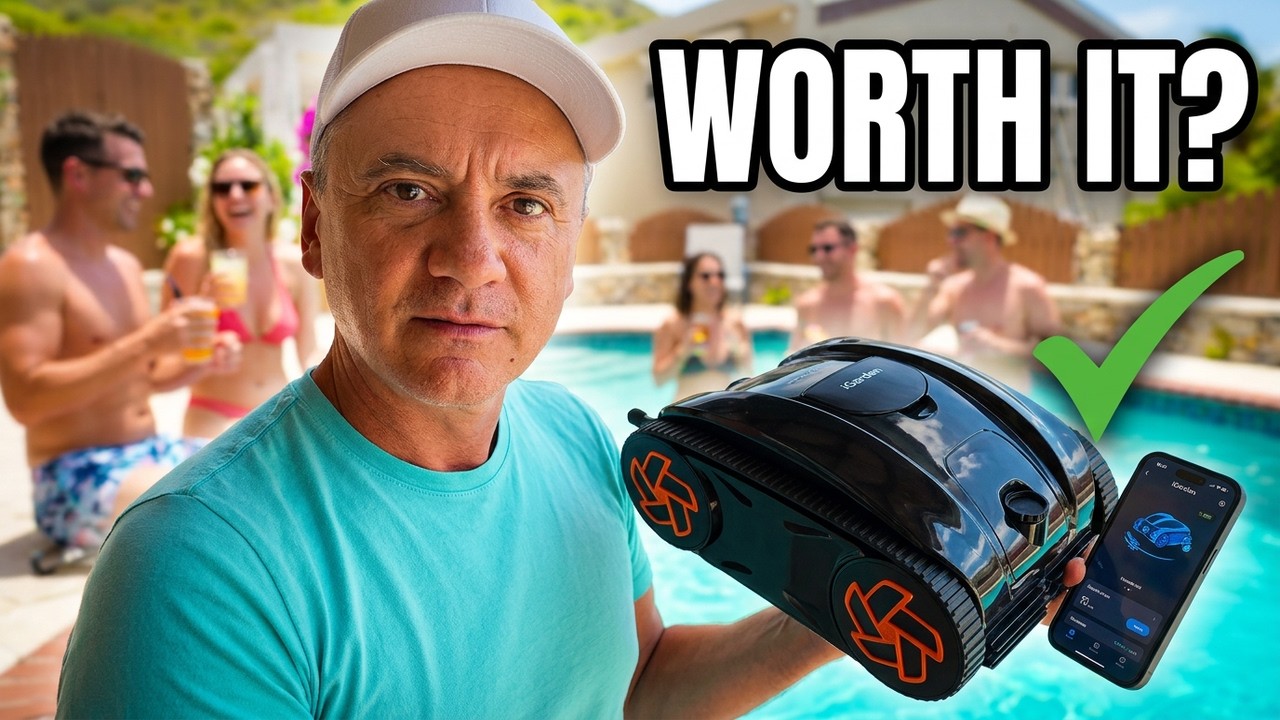
The cordless design alone is worth the upgrade. One month of running it 3x per week, and the pool stayed consistently cleaner than it did with weekly manual vacuuming — with zero manual effort.
👍 Best for:
- Pool owners who hate manual cleaning
- Inground and above-ground pools
- Anyone with heavy leaf or debris loads
- Regular maintenance (3x per week runs)
Still use a manual vacuum for:
- Targeted spot cleaning immediately
- Corners the robot misses in some pool shapes
- After heavy storm debris loads
Why Corded Pool Robots Are the Worst of Both Worlds
Traditional robotic pool cleaners require a cord — which tangles, limits range, and requires management before and after every cleaning cycle. Manual vacuums require active effort for every cleaning. The iGarden K60 cordless pool robot eliminates both problems: it’s fully autonomous and fully cordless. Drop it in, press start, come back to a clean pool. After one month of real-world testing in a pool that gets regular Caribbean sun, wind, and occasional heavy vegetation debris, here’s the complete performance picture.
The Navigation: Does “AI” Actually Mean Anything Here?
Skepticism about “AI navigation” in budget pool cleaners is warranted — most use it as marketing language for basic random bounce patterns. The K60’s navigation appears to use systematic coverage patterns rather than purely random movement: in a rectangular pool, it works in parallel tracks across the floor rather than bouncing randomly between walls. The practical result is more consistent coverage with fewer sections cleaned multiple times and fewer sections missed. It’s not perfect — occasional areas get double coverage while some spots near irregular edges are missed — but it’s significantly better than the random bounce pattern of older robots.
Wall Climbing: Real, With a Caveat
The tank-style roller tracks do climb pool walls — the K60 transitions from floor to wall regularly during cleaning cycles and scrubs along the waterline where algae and calcium deposits accumulate. The caveat: wall climbing effectiveness depends on pool surface texture. Smooth fiberglass walls are climbed reliably. Rough plaster surfaces provide more traction but also more resistance, which can slow the robot or occasionally cause it to slip back. On standard residential pool surfaces, wall climbing works consistently enough to meaningfully reduce waterline buildup between cleanings.
Cordless Battery Performance: How Long Does a Charge Last?
A full charge runs the iGarden K60 for approximately 2.5-3 hours — enough to cover a standard residential pool of up to about 30×15 feet thoroughly. Larger pools may require two cleaning cycles. Recharge time is 4-5 hours. For a 3x per week cleaning schedule, charge after each use and it’s ready for the next session.
Frequently Asked Questions
Does it work in above-ground pools?
Yes — compatible with both above-ground and inground pools. Above-ground pools often have smoother wall surfaces which the robot handles well.
How often should I empty the filter basket?
After each cleaning cycle. A full or partially clogged filter basket reduces suction efficiency significantly. Takes 30 seconds to remove, empty, rinse, and replace.
Does it replace manual vacuuming entirely?
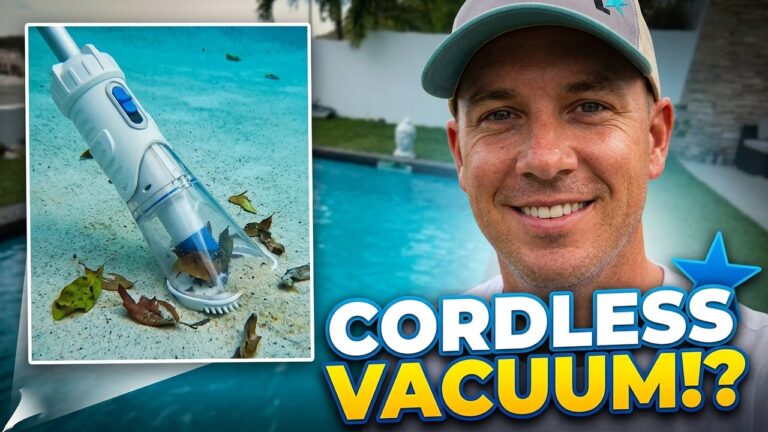
For routine maintenance cleaning, yes. For targeted spot cleaning, post-storm debris removal, or cleaning very specific areas quickly, a handheld cordless vacuum is a useful complement rather than competition.
Final Verdict: 4.5/5
The iGarden K60 pool robot genuinely delivers on its core promise: a cleaner pool with zero manual effort. The cordless design is a meaningful upgrade over corded alternatives, the wall-climbing works, and the navigation coverage is more systematic than random. For any pool owner who currently manual vacuums or uses a corded robot, this is a worthwhile upgrade. Check today’s price on Amazon →