Can One Sandal Do It All? NORTIV 8 Water Sandals Review
We put the NORTIV 8 closed-toe water sandals through beach days, light trails, and long walks. Here's the real verdict on whether one sandal can handle it all.
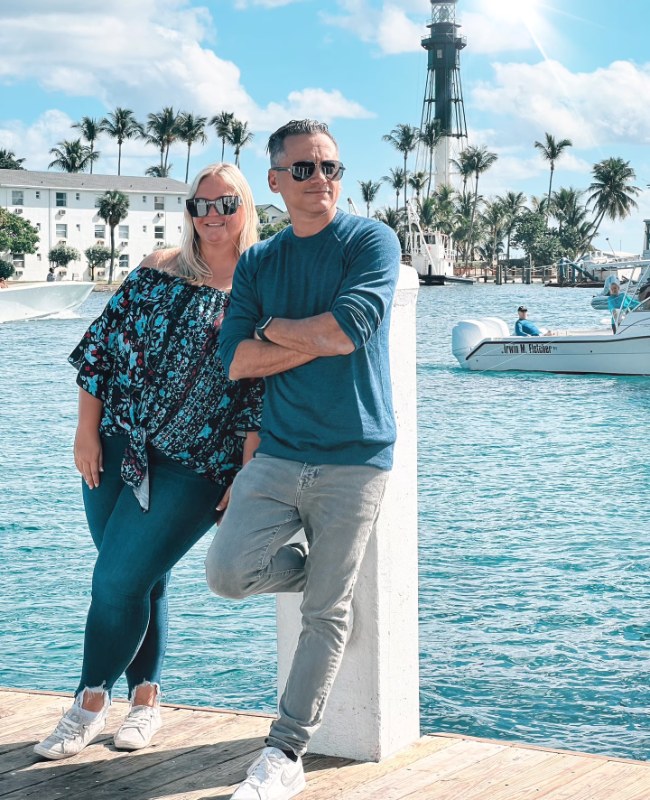
Reviewed by
Seb and Michelle
We've tested over 6,500 products in the last 5 years – collaborating with over 4,000 brands and bringing our style of reviews to multiple platforms. More about me →
This post contains affiliate links. I may earn a commission at no extra cost to you.
Quick Verdict
The NORTIV 8 water sandals are a genuinely solid pick for anyone who’s tired of packing two pairs of shoes for every outdoor trip. The closed-toe design and non-slip sole give you real grip on wet surfaces without the bulk of a full hiking shoe. They’re not trying to replace your trail runners — but for beach-to-path days, they hold their own.
Buy if you:
- Need one shoe for beach days and light trail walking
- Travel light and hate swapping footwear mid-day
- Spend time on wet rocks, boat decks, or slippery surfaces
- Want arch support and a cushioned sole in a sandal-style shoe
Skip if you:
- Need serious technical hiking footwear for steep or rocky terrain
- Prefer fully open sandals for pure hot-weather comfort
- Want a dressed-up look for casual dining or evenings out
The Footwear Problem Nobody Talks About
Here in St. Maarten, every single day is a multi-surface puzzle. You start at the beach. Then you’re walking up a path to a lookout point. Then you’re stepping across wet dock boards to get back to the car. Flip flops are a liability. Sneakers get destroyed. Hiking sandals with open toes leave you collecting sharp pebbles like they’re part of the plan. So when we saw the NORTIV 8 closed-toe water sandals pop up — marketed as the one shoe to handle all of it — we were skeptical, but curious.
That’s the pitch anyway. One sandal that transitions from water to trail without you having to think about it. You can check them out on Amazon right here: NORTIV 8 Water Sandals on Amazon. Let’s get into whether they actually back that up.
The price point puts them squarely in the “worth a try” category — not so cheap that you expect them to fall apart in a week, not so expensive that you’re devastated if they’re not your thing. That’s the right zone for a shoe like this to live in.
Closed-Toe Changes Everything
Let’s start with the design decision that separates these from 90% of what you’ll find in the “water sandal” category: the closed toe. Most water sandals are open at the front. That’s fine for the pool. It’s not fine when you’re stepping through undergrowth, scrambling over rocks, or navigating a crowded beach where someone’s about to drop a chair on your foot.
NORTIV 8 built these with a protective closed-toe bumper up front. It looks like a sandal from the side — breathable straps, open structure through the midfoot — but that front cap is doing a job. You’re not going to stub your toes on a root. You’re not going to feel a rock corner through the mesh.
The sole is where the non-slip claim lives. The rubber outsole has a textured tread pattern designed for wet grip. On wet tile, wet rock, and wet wood, it holds. That’s not a given with shoes in this category. A lot of water-friendly footwear has a smooth or barely textured sole that turns into a slip hazard the moment you step off sand. These don’t do that.
The cushioning is legitimately there. The midsole has enough compression under the heel and forefoot that you can wear these for a full day without the bottoms of your feet staging a protest. There’s also built-in arch support, which you don’t get with flat water shoes. If you’ve got high arches or you’re someone who notices when support is missing — you’ll notice it’s present here.
Adjustable straps across the instep and heel mean you can dial in the fit. That matters because water shoes that are even slightly loose become sloppy and annoying. Slightly too tight and they chafe. Getting the right tension takes about ten seconds once you figure out the strap system, and then it stays put.
Wet Rocks, Long Walks, and the Boat Dock Test
The real question with any “versatile” shoe is whether the versatility is just marketing copy or whether it shows up when you need it.
On wet surfaces — where water sandals either earn their name or expose themselves as frauds — these perform. The grip holds on slick rocks at the waterline. It holds on wet boat decking. It holds on the kind of tile you find at beach bars where the floor never quite dries out. You don’t have to think about your footing every step. That confidence adds up over a full day of activity in a way that’s hard to quantify but very easy to feel.
On dry pavement and packed dirt paths, the transition is seamless. You’re not suddenly clomping around in something that feels designed for water and nothing else. The cushion absorbs the harder surface. The arch support does its thing. Covering two to three miles on a mix of terrain without switching shoes is a realistic use case here, not a stretch.
Drying time matters more than people expect. After a full submersion — wading into water, not just spray — these dry out reasonably fast. The open strap structure means air gets to your foot quickly. You’re not squelching around for an hour post-beach. That said, they’re not instant-dry. Give them fifteen to twenty minutes in sun and moving air and they’re comfortable again.
Weight is another thing worth calling out. These are light. You don’t feel them pulling at your feet the way a heavier trail shoe does. That makes them a natural fit for long walking days, travel days, or anytime you want capable footwear without the fatigue that comes with heavier builds.
The Part Most Sandal Reviews Skip Right Past
Here’s something most reviews in this category don’t spend enough time on: the gap between “water-friendly” and “water-safe.”
A lot of shoes get called water sandals because they’re made from synthetic materials that don’t absorb water and won’t rot if they get wet. That’s a low bar. It just means they won’t be ruined. NORTIV 8 is making a different claim — that you can use these on wet, uneven terrain and trust the sole to keep you upright. That’s a safety claim as much as a comfort claim.
And from what we can see in how these are constructed and what the non-slip outsole is designed to do, they’re making that distinction correctly. The tread pattern isn’t decorative. It’s functional. That matters on boats, on coastal trails, on any surface where a slip could be more than just embarrassing.
The other thing nobody mentions: closed-toe shoes like these are also better for people who don’t love bugs touching their feet on trail walks. Open-toe sandals on a wooded path are fine until something crawls across your foot. Closed toes fix that quietly, without making a big deal of it. Small thing. Real thing.
Durability over time is harder to assess without months of use, but the construction looks solid. The stitching where straps meet the sole is reinforced, which is usually where cheaper water sandals fail first. The materials feel like they were chosen for repeated wet-dry cycles rather than just being repurposed from casual sandal production.
The People Who Get the Most Out of These
Travelers who pack light. That’s the obvious one. If you’re working with a carry-on and you need footwear that covers the most ground with the least space, a pair of shoes that handles beach, trail, boat, and casual walking is a genuinely useful piece of gear. You’re not packing flip flops and hiking shoes. One pair does both jobs at a decent level.
People who vacation somewhere with water close by — Caribbean islands, Mediterranean coastlines, Southeast Asia, any beach town where you’re constantly moving between wet and dry environments. The constant shoe-swapping that comes with those trips gets old. A shoe designed for the in-between solves a real problem.
Hikers who hit trails near rivers, waterfalls, or coastal paths. You’re going to get wet. Trying to keep your feet dry in a regular hiking shoe on those trails is a losing battle. These let you just walk through it without worrying about ruining expensive gear.
Boaters and kayakers. Boat decks are notoriously slippery. Flip flops on a boat are an accident waiting to happen. These give you grip without the bulk of a closed shoe, and they dry fast enough that you’re not sitting in wet footwear for the rest of the day.
They’re less obviously right for people doing serious technical hiking. If you’re covering serious elevation on rough terrain, you want ankle support and a more aggressive lug sole than any sandal-style shoe delivers. Use the right tool for that job.
NORTIV 8 vs. Everything Else in the Drawer
Flip flops: No comparison on grip or protection. Flip flops are for pool decks and shower rooms. They have no business on a hiking trail or a boat, and the fact that most people wear them in those situations is a testament to how few good options exist in this middle category. NORTIV 8 fills the gap flip flops can’t cover.
Dedicated trail runners or hiking shoes: They’ll beat these on technical performance every time. But they’re also heavier, they take forever to dry, and wearing them in and out of water destroys them. For the multi-surface day where you want one shoe, trail runners don’t compete.
Other water shoes in the same price range: Most of them are closed-toe sports shoes with minimal sole structure — basically glorified pool socks with a rubber bottom. They wrap the foot tightly and feel more like a sock than a sandal. Some people love that. If you want breathability and a more sandal-like feel with the protection of a closed toe, the NORTIV 8 design is a better experience.
Chacos and Tevas: Good sandals with strong followings, but they’re open-toe. If you need toe protection, they don’t solve the problem. And Chacos specifically are heavier than these. If weight matters on a travel day, that adds up.
The trade-off with NORTIV 8 is that you’re getting a capable all-rounder, not an elite performer in any single category. That’s the honest trade. If you need the absolute best trail grip, buy trail shoes. If you need the most breathable option for a beach day, buy sandals. But if you need both on the same day and you’re only packing one pair, NORTIV 8 makes more sense than anything else at this price point.
What to Know Before You Order
Sizing. This is the most common issue with water shoes across all brands. The construction is different from a traditional sneaker, and your usual size may not translate perfectly. If you’re between sizes, go up. Water shoes that are even slightly too small will bother you more than a slightly loose fit that you can dial in with the straps.
Don’t wear them straight from the box for a full-day hike. Give yourself a few shorter sessions first. Any shoe with adjustable straps needs a break-in period where you figure out the right tension for your foot shape. An hour at the beach before a six-hour walking day is smarter than six hours with straps you haven’t dialed in yet.
Rinse them after salt water. Salt water is aggressive on materials over time. A quick rinse after a beach day will extend the life of these significantly. Two minutes under fresh water, let them air dry in the shade. That’s it.
Don’t machine wash them if you can help it. The structural adhesives that bond the sole to the upper don’t love the agitation of a washing machine. Hand rinse, air dry. Much better for longevity.
If you’re buying these for a trip, order them at least a week before you leave. You don’t want to discover sizing issues when you’re already at the airport. Give yourself time to exchange if needed.
And if you’ve been going back and forth on whether to just grab them — check the current price on Amazon here. The price fluctuates, and they’re frequently on sale in various colorways.
Frequently Asked Questions
Are these actually waterproof or just water-resistant?
They’re water-friendly, not waterproof in the sealed-boot sense. The materials don’t absorb water and won’t get damaged by submersion. You can wade through a stream or walk across a wet beach without worrying about ruining them. They’re not designed to keep your feet dry in the water — they’re designed to be comfortable and functional when wet.
Can I wear these without socks?
Yes, and that’s how most people wear them. The lining is soft enough for barefoot wear. If you’re going full-day hiking on a dry trail, some people prefer thin moisture-wicking socks to prevent any friction on longer sessions. For water use, barefoot is the right call.
How do NORTIV 8 sandals fit compared to normal shoe sizing?
The general consensus is to size up if you’re between sizes. The closed-toe construction can feel slightly narrower than an open sandal, especially across the toe box. If you have wider feet, definitely go up a half size. The adjustable straps give you some flexibility in fit once you’re in the right length.
Will these work for kayaking or paddleboarding?
Yes. The non-slip sole is a big plus on wet board surfaces, and the closed-toe keeps your feet protected if you’re launching from a rocky shoreline. The straps stay secure so they won’t slip off in the water. Rinse them with fresh water after salt water use and they’ll hold up fine.
How long do they take to dry after getting wet?
In warm weather with some airflow, roughly 15 to 30 minutes after full submersion. The open strap structure helps a lot. In cooler, still air it’ll take longer. They’re not the fastest-drying shoe on the market, but they’re far from the worst. Don’t dry them in direct sun for hours — that degrades the materials faster.
Related reviews
- Best Pantry Organizers: Water Hyacinth Wicker Baskets
- GoveeLife Smart Water Leak Detector: Catch Leaks Early
- Creatine Gummies vs Powder: Which One Works Better?
Are the NORTIV 8 water sandals good for people with plantar fasciitis?
The built-in arch support and cushioned midsole make these more plantar fasciitis-friendly than a flat sandal or flip flop. That said, everyone’s arch profile is different. If your condition is severe, you may still want a custom insert — but the base support here is notably better than most shoes in this category.
About the reviewer
Seb and Michelle
We've tested over 6,500 products in the last 5 years - collaborating with over 4,000 brands and bringing our style of reviews to multiple platforms.