Compostable Sandwich Bags Review: The Eco-Friendly Ziploc Alternative That Actually Works
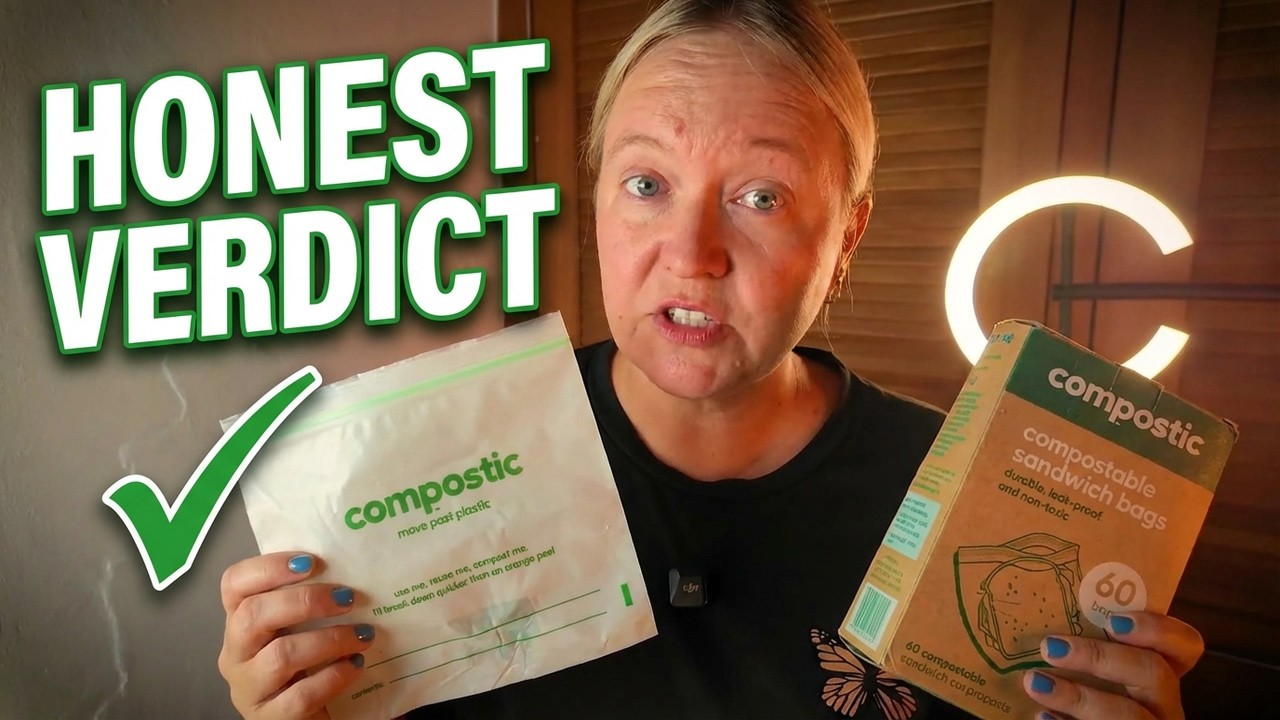
The best eco-friendly sandwich bag we’ve tested — functional enough for daily use, genuinely compostable, and finally not the crinkly, stiff, annoying experience of early plant-based bags.
Worth switching if you:
- Pack lunch daily and feel guilty about plastic
- Have access to industrial composting
- Want to reduce single-use plastic meaningfully
- Have kids who go through bags constantly
Understand this first:
- Home composting takes much longer
- Slightly less moisture-resistant than plastic
- Not for freezer storage
- Cost per bag is higher than standard plastic
The “Compostable” Claim: What It Actually Means (And What It Doesn’t)
Before anything else — the composting truth that most eco-product marketing glosses over. “Certified compostable” on packaging refers to industrial composting conditions: high heat, specific humidity, controlled microbial environments. In a backyard home compost pile, these compostable sandwich bags will eventually break down — but over a much longer timeframe than in commercial composting facilities. If you have access to municipal industrial composting pickup, you’re getting the full environmental benefit immediately. Without that infrastructure, the eco impact is real but slower.
That said: even without perfect composting access, you’re replacing single-use plastic bags that take 500+ years to degrade with bags that will eventually break down within years rather than centuries. The environmental math still favors switching. Now let’s talk about whether they actually work as sandwich bags.
Six Weeks of Daily Lunch Packing: How They Performed
We used the compostable sandwich bags exclusively for six weeks of daily lunch packing — sandwiches, cut fruit, crackers, cheese slices, and occasional snacks. The results were consistently better than expected for most uses:
Sandwiches stored for up to 6 hours stayed fresh with no noticeable quality difference from plastic. Cut fruit held well for 4-6 hours — slightly more moisture visible on the bag interior than with plastic, but food quality unaffected. Crackers and dry snacks: identical to plastic for several hours. Cheese: fine for same-day use. The slight reduction in moisture barrier compared to plastic only becomes relevant for very wet foods or extended storage beyond a day — neither of which sandwich bags are typically used for anyway.
The Feel and Usability Difference from Early Eco Bags
Early generation plant-based bags had a reputation for being stiff, crinkly, difficult to seal, and generally unpleasant to use. This generation is genuinely different. The material has a soft, slightly matte texture that’s close enough to conventional plastic that most people don’t notice the difference during normal use. The seal mechanism closes cleanly without the struggles that plagued earlier iterations. We handed these to kids with school lunches for a week without any complaints about the bags specifically — which is the real test.
The one legitimate limitation: these compostable bags are not freezer bags. The material doesn’t maintain its integrity at freezer temperatures and isn’t designed for long-term frozen food storage. For sandwiches, snacks, and pantry items, they’re a complete plastic replacement. For freezer storage, you need a different solution.
Frequently Asked Questions
Are these actually better for the environment?
Yes — plant-based materials break down in years rather than centuries, even without perfect composting infrastructure. The manufacturing footprint is also generally lower than petroleum-based plastic production.
Can I reuse them?
For dry contents like crackers and nuts, yes — rinse gently and air dry. For wet foods like fruit or sandwiches, single use is more hygienic as the material can be harder to fully clean and dry than conventional plastic.
Are they more expensive than regular bags?
Yes — typically 30-50% more per bag than standard plastic zip bags. For daily users, the additional cost is a few dollars per month — a minor expense against a genuine reduction in plastic waste.
Final Verdict: 4.5/5
If you pack lunches regularly and want to meaningfully reduce your household plastic consumption without sacrificing convenience, the compostable sandwich bags are the cleanest switch available. They work as well as conventional plastic for all typical sandwich bag uses, they feel much better than early eco bag generations, and every bag you use is one that won’t sit in a landfill for five centuries. Check today’s price on Amazon.